
As climate change continues to impact the way we live and work, businesses are under increasing pressure to take responsibility for their environmental impact. One concept that’s gaining more attention is carbon neutrality. But what does it really mean in the context of running a business? and more importantly, how can your business get started?
In this article, we’ll break down the concept of carbon neutrality, explore the challenges businesses often face, and share practical strategies that can help your business move toward real, sustainable change.
Read other article : Integrating Carbon Offsets into a Business’s CSR Strategy
What is Carbon Neutrality in Business?
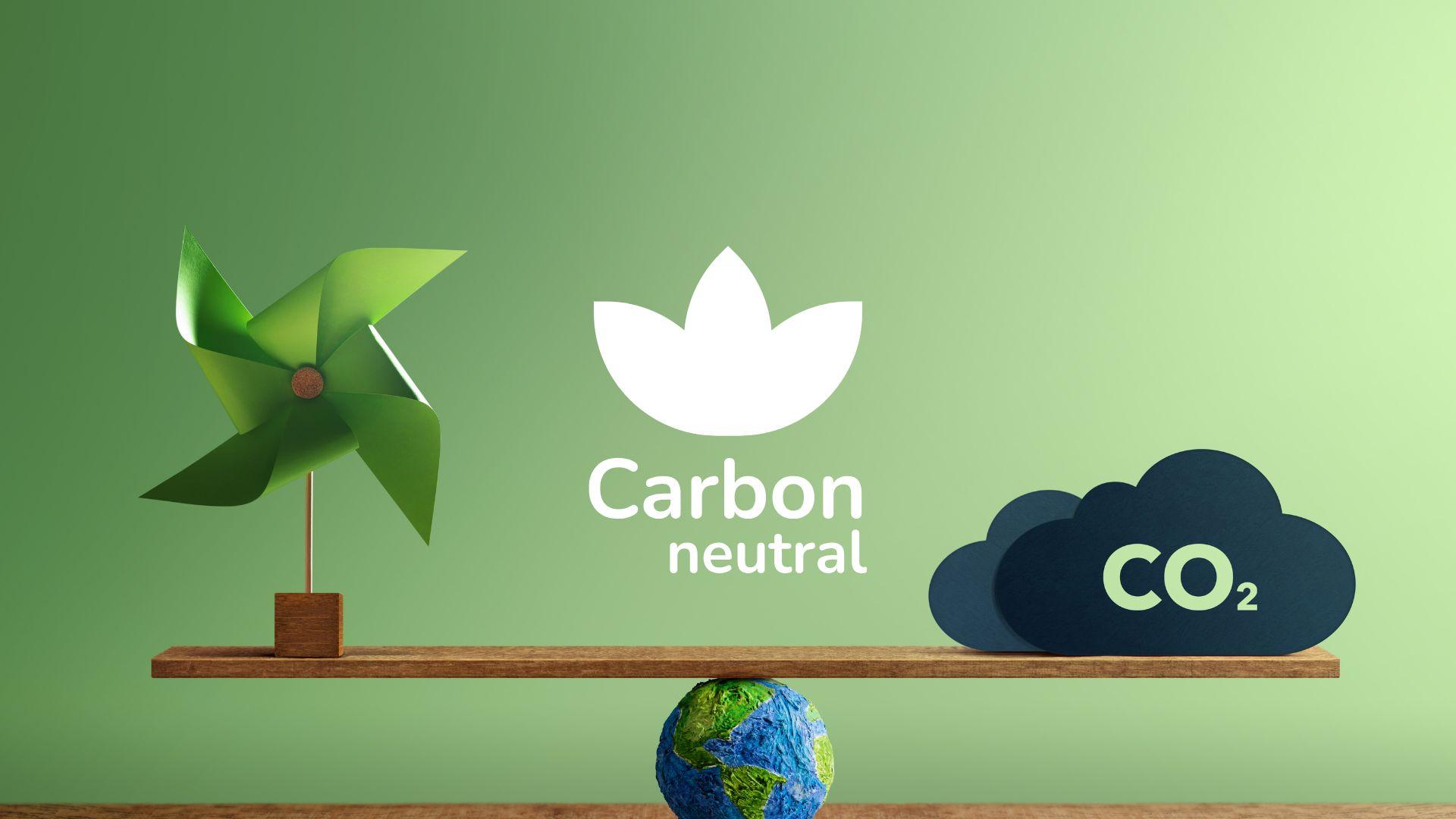
Carbon neutrality means that a business balances the amount of carbon dioxide (CO₂) it emits with the same amount it removes or offsets resulting in a net-zero carbon footprint.
To visualize it, imagine your business produces 100 units of carbon through operations like electricity use, travel, or manufacturing. To become carbon neutral, you’d reduce as much of that carbon as possible, and then offset the rest by investing in projects that absorb or eliminate CO₂, such as reforestation or renewable energy initiatives.
It’s not about eliminating all emissions overnight, but it’s more about making steady progress toward more responsible operations.
Why Carbon Neutrality Matters for Businesses
Taking steps toward carbon neutrality isn’t just good for the environment; it’s also a smart business move. More companies are embracing this shift because it helps build customer trust, especially as consumers become increasingly eco-conscious and prefer brands that align with their values. Beyond customer loyalty, carbon reducing strategies like improving energy efficiency can lead to significant cost savings over time, making sustainability both responsible and profitable.
Additionally, as governments introduce stricter environmental policies, taking early action to meet regulatory requirements helps businesses stay ahead of the curve. Carbon neutrality also enhances a company’s appeal to investors, particularly those who prioritize strong environmental, social, and governance (ESG) credentials. Ultimately, carbon neutrality is more than just a trend; it is a strategic advantage that supports long-term resilience and growth in today’s competitive market.
Common Challenges in Becoming Carbon Neutral
While the goal is clear, the journey to carbon neutrality comes with real-world challenges that many businesses face. Measuring your total carbon footprint can be tricky, requiring data from electricity usage, transportation, materials, and other sources. Upfront costs are another hurdle, as switching to greener alternatives often demands investment, which can be tough for small businesses. Even if your own operations are efficient, supplier emissions can still contribute significantly to your overall footprint.
Another common obstacle is the lack of internal knowledge, as many companies simply do not know where to start. But here is the encouraging part: even small actions, done consistently, can make a meaningful difference. By starting with what is manageable and building from there, businesses can overcome these barriers and make steady progress toward a more sustainable future.
Practical Strategies to Build a Carbon-Neutral Business
If you’re ready to take action, here are five practical steps your business can take toward carbon neutrality:
Step 1: Know Your Emissions
Before making changes, you need to understand where your emissions come from. This includes electricity and energy use, transportation and logistics, manufacturing processes, employee commutes, and business travel. Tools and services are available to help you conduct a carbon audit, which is a great first step to understanding your environmental impact.
Step 2: Start Reducing Where You Can
Once you’ve identified your emission sources, find ways to reduce them. Switch to energy-efficient lighting and equipment, use renewable energy when possible, optimize delivery routes, reduce unnecessary business travel, and promote remote or hybrid work schedules. Focus on simple, high-impact changes that can generate immediate results.
Step 3: Offset What You Can’t Avoid
Not all emissions can be eliminated, especially in industries like manufacturing or logistics. That’s where carbon offsets come in. You can invest in certified programs that support reforestation, clean energy development, or carbon capture technology. Choose providers with transparent, verifiable standards to ensure your efforts make a real impact.
Step 4: Engage and Communicate
Share your goals and progress with employees, partners, and customers. Create a sustainability page on your website, publish annual ESG or carbon reports, and post milestone updates on social media. Being open, even if you’re still working toward your goals, builds trust and shows your commitment.
Step 5: Get Recognized
Consider applying for a carbon-neutral certification from a recognized authority. This adds credibility to your efforts and confirms that your sustainability claims are backed by verified action. It can also give your brand a competitive edge in a market that values environmental responsibility.
Carbon Neutrality is for All
Carbon neutrality is not limited to large corporations with massive budgets. Small and medium-sized enterprises (SMEs) can also take meaningful steps toward sustainability. Simple actions such as switching to digital documentation to reduce paper waste, partnering with local suppliers to minimize shipping emissions, using recycled materials in packaging, and encouraging employees to bring reusable containers or bikes to work can all make a difference.
No action is too small. When many businesses take early, consistent steps, the collective impact becomes significant. For those unsure where to begin, there are consultants and platforms available to help guide the sustainability journey and make the process more manageable.
Visit satuplatform today to connect with experts who can help your business take smart, impactful steps toward carbon neutrality. Together, we can build a business world that’s cleaner, greener, and ready for the future!
Satuplatform Bawa Inovasi Carbon & ESG Management di Demo Day OJK Fintech Accelerator 2026
Jakarta, 27 Agustus 2026 — Perkembangan teknologi digital membuka peluang baru bagi perusahaan rintisan untuk menghadirkan solusi yang menjawab kebutuhan…
Bencana Karhutla Mengancam Hutan Konservasi dan Penyerapan Karbon
Karhutla (kebakaran hutan dan lahan) bukan hanya persoalan lingkungan yang menyebabkan kerusakan ekosistem dan hilangnya keanekaragaman hayati. Bencana ini juga…
Menghitung Jejak Karbon: Langkah Awal Perusahaan Mengurangi Emisi dan Menghadapi Perubahan Iklim
Perubahan iklim semakin mendorong perusahaan untuk memahami dan mengelola dampak lingkungan dari aktivitas bisnisnya. Salah satu langkah penting yang dapat…

Pemanasan Global dan Bencana di Indonesia: Mengapa Menghitung Jejak Karbon Itu Penting?
Indonesia merupakan negara yang memiliki kekayaan alam dan keanekaragaman hayati yang tinggi. Namun, di saat yang sama, Indonesia juga menghadapi…
Mengapa Kota-Kota di Indonesia Semakin Panas? Mengenal Fenomena Urban Heat Island dan Dampak Iklimnya
Jakarta, Surabaya, Bekasi, hingga Palembang belakangan kerap muncul dalam daftar wilayah dengan suhu harian tertinggi di Indonesia. Bagi warga yang…
Meningkatnya Frekuensi Cuaca Ekstrem di Indonesia: Bagaimana Data Menunjukkan Dampak Perubahan Iklim?
Banjir bandang, angin kencang, hingga siklon tropis yang belakangan lebih sering muncul di pemberitaan bukan sekadar kesan subjektif. Badan Meteorologi,…