
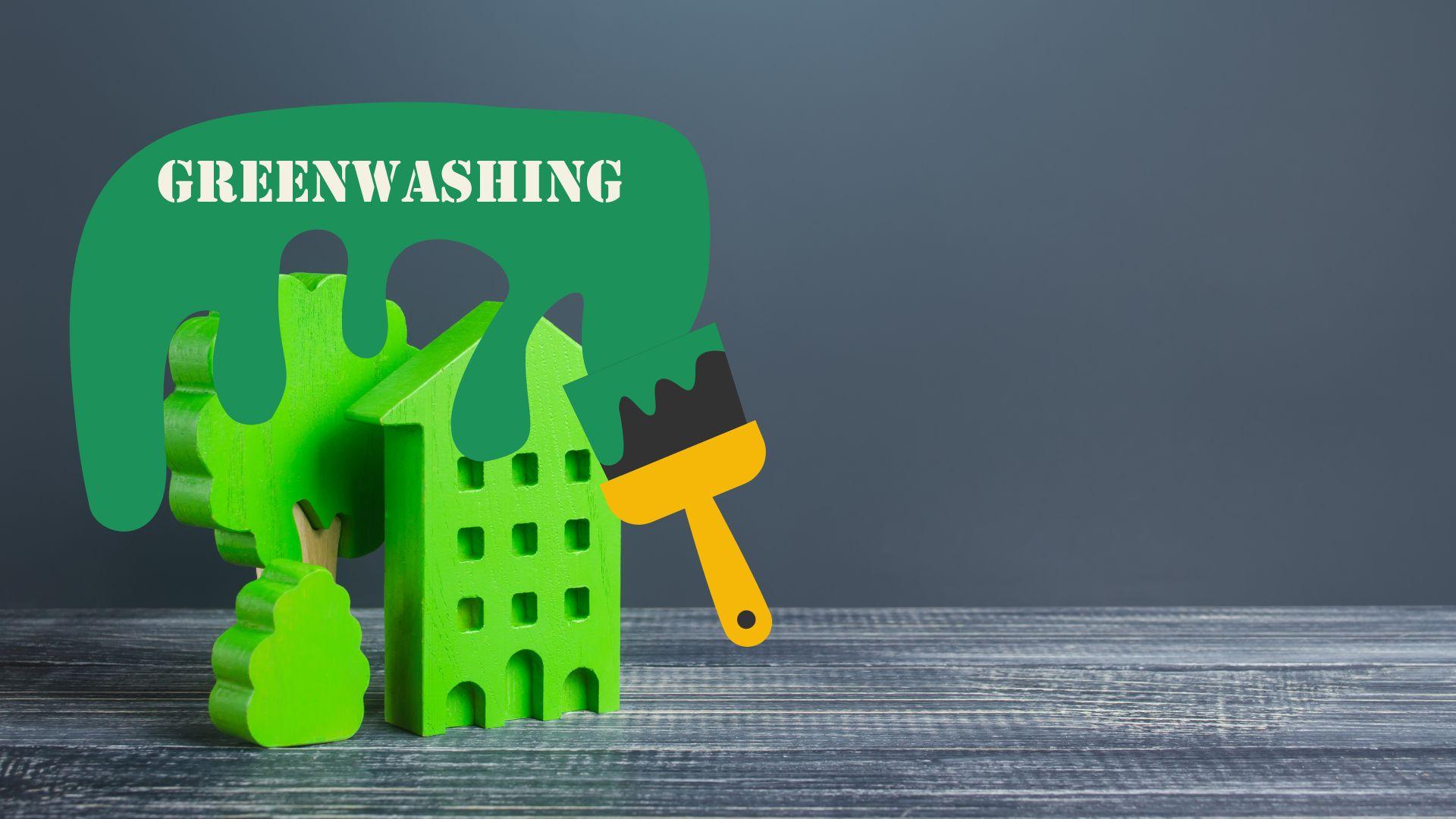
In today’s business world, sustainability is a fundamental part of a company’s reputation. Competitiveness and future growth also somehow depends on sustainability. In fact, a strong sustainability strategy can build trust, but poor communication or misleading claims can destroy it overnight.
Two terms are increasingly discussed in this context: greenwashing and greenhushing. While they sound similar, they represent two very different approaches. One is about exaggerating sustainability claims, the other about keeping them quiet. Both can damage credibility, slow down progress, and create mistrust in the market. Understanding these concepts is essential for businesses that want to align their environmental actions with honest communication.
What Is Greenwashing?

Greenwashing happens when companies make misleading, exaggerated, or false claims about their environmental efforts to appear more sustainable than they truly are. This could be done through marketing campaigns, packaging labels, or public statements that highlight minor eco-friendly actions while ignoring larger negative impacts.
For example, a company might advertise a product as “100% recyclable” when only part of it can be recycled, or highlight the use of renewable energy in one facility while the majority of operations still depend on fossil fuels. Such practices mislead customers, manipulate brand perception, and can even lead to legal consequences in some countries.
The danger of greenwashing is twofold. First, it deceives consumers who want to make environmentally responsible choices. Second, it undermines genuine sustainability efforts by creating skepticism toward all environmental claims, even the truthful ones.
What Is Greenhushing?
Greenhushing is the opposite problem. It happens when companies intentionally under-communicate or hide their sustainability initiatives. At first, this might sound harmless or even humble, but it often leads to missed opportunities for leadership and inspiration.
Why would a company choose not to talk about its sustainability achievements? There are several reasons that we can take a look. Some fear being accused of greenwashing if their efforts are not perfect. Others worry about drawing attention from activists or regulators who might scrutinize them more closely. In some cases, businesses simply underestimate the value of sharing their environmental progress with the public.
Read other article : Greenwashing atau Nyata, Mengenal Perusahaan yang Benar-Benar Ramah Lingkungan
The problem with greenhushing is that it reduces transparency. Stakeholders, including customers and investors, are left without a clear picture of the company’s environmental commitments. It also limits the spread of best practices. If businesses keep their sustainability wins private, others lose the chance to learn and replicate them.
Both Practices Might Harm Sustainability Goals
While greenwashing and greenhushing are different in nature, both undermine the trust that is necessary for real environmental progress.
Greenwashing damages credibility by making the public doubt sustainability claims in general. Once consumers feel misled, they may become cynical, assuming all companies are exaggerating their green credentials. This slows down the momentum of the sustainability movement because trust is a key driver of change.
Greenhushing, on the other hand, keeps important progress in the shadows. If no one knows about a company’s environmental achievements, there is less pressure on competitors to match or exceed them. Furthermore, stakeholders cannot reward or support companies for their genuine efforts if those efforts are never communicated.
Both extremes create a gap between reality and perception, which can ultimately delay the transition to a more sustainable economy.
How to Avoid Greenwashing and Greenhushing
The key to avoiding both problems is transparency, supported by evidence and clear communication.
Businesses need to be specific and accurate when talking about sustainability. Instead of relying on vague terms like “eco-friendly” or “sustainable,” companies should explain clearly what makes their product or process beneficial for the environment. This kind of clarity helps customers and stakeholders truly understand the impact being made.
Equally important is the use of verified data. Backing up claims with measurable results, certifications, or third-party audits ensures credibility and prevents accusations of exaggeration. Companies should also share both their progress and their challenges, showing that sustainability is a journey. Being honest about areas that still require improvement creates authenticity and builds stronger trust with the public.
Beyond communication, educating internal teams and engaging external stakeholders are vital steps. Employees need to fully understand the company’s sustainability initiatives so they can speak about them consistently and truthfully. At the same time, involving customers, investors, and communities through feedback can strengthen both actions and messaging. By balancing transparency with humility, companies can build lasting trust while contributing meaningfully to broader environmental goals.
The Role of Honest Communication in Building a Sustainable Brand
In the long term, businesses that communicate honestly about sustainability will stand out. This does not mean they have to be perfect. In fact, admitting imperfections and showing a plan for improvement often resonates more with audiences than unrealistic claims.
A truly sustainable brand is not built overnight. It grows from consistent actions, measurable results, and a willingness to share both successes and setbacks. By steering clear of greenwashing and resisting the temptation to greenhush, companies can position themselves as credible leaders in sustainability. This approach not only benefits the planet but also strengthens customer loyalty, attracts responsible investors, and inspires industry-wide change.
Whether avoiding greenwashing’s exaggeration or greenhushing’s silence, the goal should be the same: to create real, positive impact and share it transparently.
If your business needs guidance on building authentic sustainability strategies and communicating them effectively, visit satuplatform to explore how expert consultation can help you lead with both purpose and credibility. At Satuplatform, we help companies measure, report, and communicate their sustainability journey with accuracy and transparency. From carbon emission calculations to impact reporting and strategic communication, our solutions are designed to ensure your business avoids both greenwashing and greenhushing, and builds real trust with stakeholders. Let’s work together to turn your sustainability commitments into measurable actions and credible stories. Get FREE DEMO now!
Satuplatform Bawa Inovasi Carbon & ESG Management di Demo Day OJK Fintech Accelerator 2026
Jakarta, 27 Agustus 2026 — Perkembangan teknologi digital membuka peluang baru bagi perusahaan rintisan untuk menghadirkan solusi yang menjawab kebutuhan…
Bencana Karhutla Mengancam Hutan Konservasi dan Penyerapan Karbon
Karhutla (kebakaran hutan dan lahan) bukan hanya persoalan lingkungan yang menyebabkan kerusakan ekosistem dan hilangnya keanekaragaman hayati. Bencana ini juga…
Menghitung Jejak Karbon: Langkah Awal Perusahaan Mengurangi Emisi dan Menghadapi Perubahan Iklim
Perubahan iklim semakin mendorong perusahaan untuk memahami dan mengelola dampak lingkungan dari aktivitas bisnisnya. Salah satu langkah penting yang dapat…
Pemanasan Global dan Bencana di Indonesia: Mengapa Menghitung Jejak Karbon Itu Penting?
Indonesia merupakan negara yang memiliki kekayaan alam dan keanekaragaman hayati yang tinggi. Namun, di saat yang sama, Indonesia juga menghadapi…
Mengapa Kota-Kota di Indonesia Semakin Panas? Mengenal Fenomena Urban Heat Island dan Dampak Iklimnya
Jakarta, Surabaya, Bekasi, hingga Palembang belakangan kerap muncul dalam daftar wilayah dengan suhu harian tertinggi di Indonesia. Bagi warga yang…
Meningkatnya Frekuensi Cuaca Ekstrem di Indonesia: Bagaimana Data Menunjukkan Dampak Perubahan Iklim?
Banjir bandang, angin kencang, hingga siklon tropis yang belakangan lebih sering muncul di pemberitaan bukan sekadar kesan subjektif. Badan Meteorologi,…