
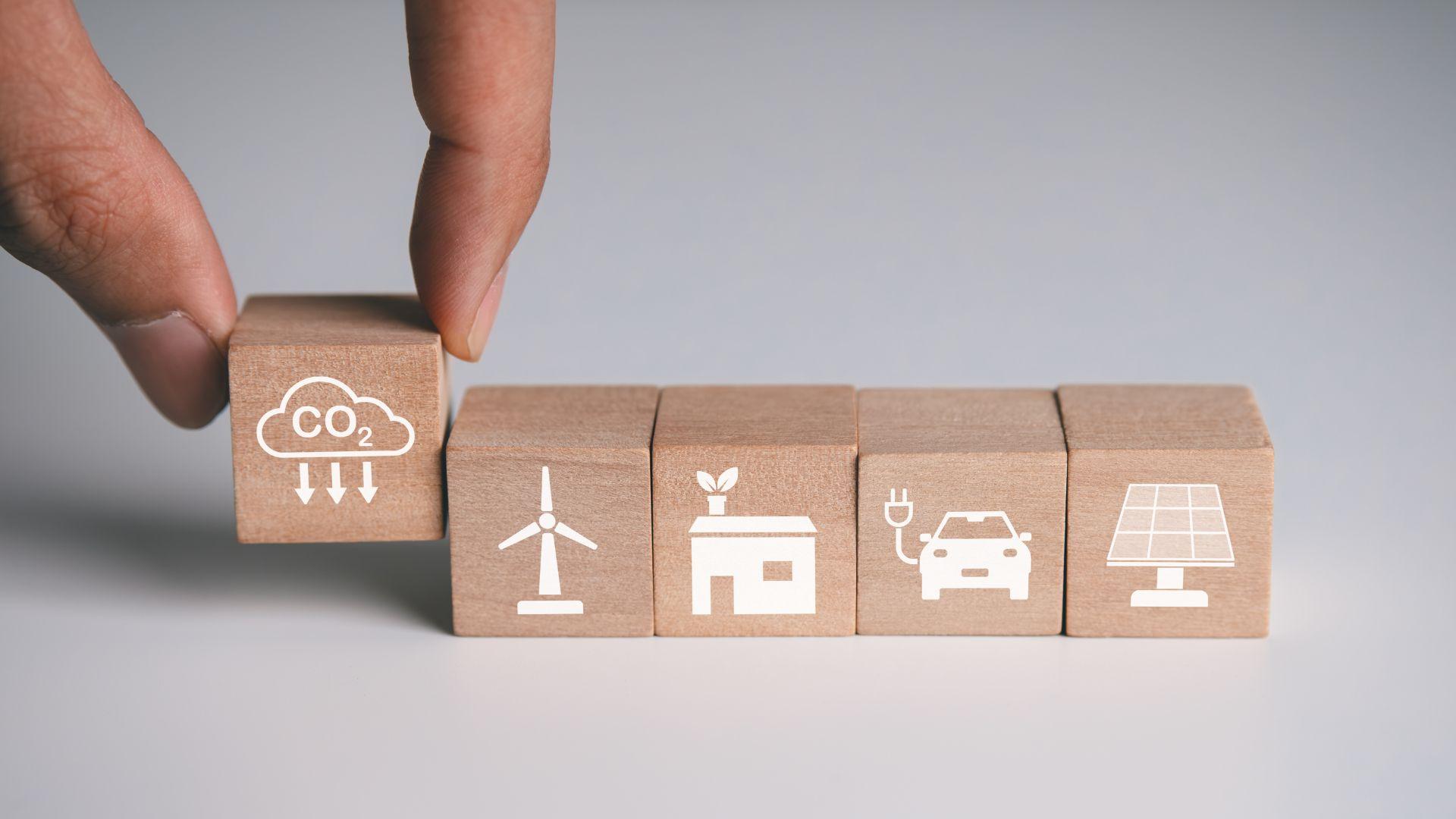
Packaging has always played a vital role in protecting products, enhancing branding, and ensuring convenience for consumers. Yet, behind its practicality lies a major environmental challenge.
Traditional packaging, particularly plastics and other non-biodegradable materials, contributes significantly to global carbon emissions. From the extraction of raw materials to manufacturing, transportation, and disposal, every stage leaves a sizable footprint. According to the OECD, global plastic waste has more than doubled in the past 20 years, while only a fraction is effectively recycled.
This article explores why packaging matters in the carbon conversation, the innovations leading the way, the challenges to adoption, the role of technology and collaboration, and the future of sustainable packaging.
Why Eco Packaging Matters in Reducing Carbon Emissions
Packaging is often seen as a secondary aspect compared to the product itself, but in reality it plays a significant role in a company’s overall carbon footprint.
Read other article : Carbon Emissions Management: Strategies for Business Growth
The production of virgin plastics, for example, is highly energy-intensive and releases large amounts of greenhouse gases. Disposal methods such as incineration contribute further emissions, while landfills generate long-term environmental degradation. Studies estimate that packaging accounts for around 40 percent of global plastic demand, much of which contributes directly to carbon emissions.
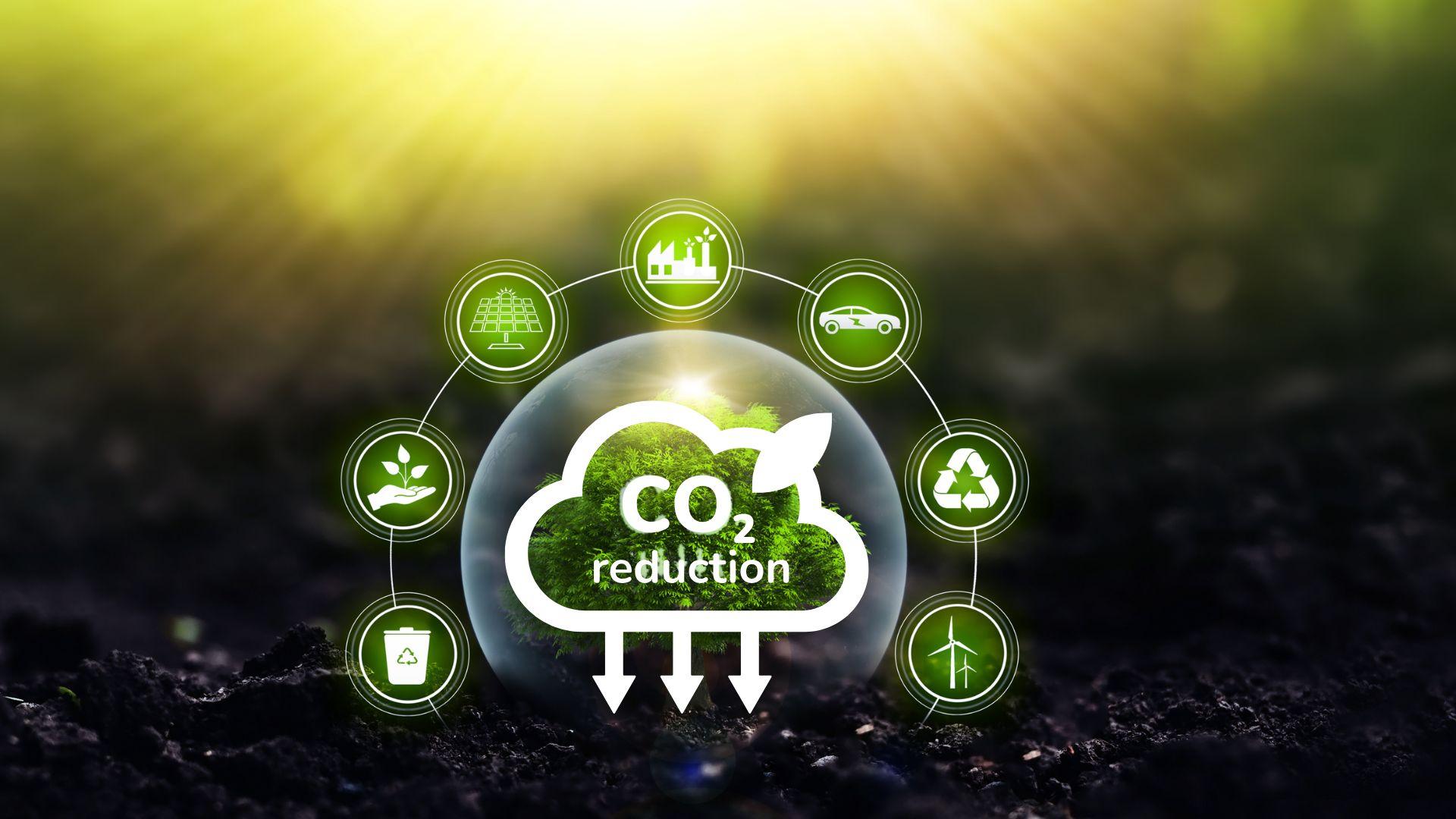
A recent IBM study revealed that a majority of global consumers are willing to change their purchasing habits to reduce environmental impact. This means eco packaging is not merely a sustainability obligation but also a market differentiator that can influence consumer choices, strengthen brand loyalty, and attract environmentally conscious investors.
Innovations in Materials and Design
The shift toward eco packaging is being fueled by advances in materials and design. Instead of relying solely on traditional plastics, many businesses are experimenting with alternatives that have a smaller carbon footprint. Biodegradable materials made from sugarcane, cornstarch, or even seaweed are becoming more widely used. Mushroom-based packaging, which grows naturally and decomposes quickly, is also gaining attention as a viable alternative.
Recycled materials are another important development. Companies are increasingly incorporating recycled paper, cardboard, and plastics into their packaging systems, reducing the energy required compared to producing virgin materials. At the same time, packaging designs are becoming more minimalist and lightweight, cutting down on resource consumption and lowering emissions from transportation.
There is also growing interest in modular and multi-use packaging. For instance, some companies are designing packaging that can be repurposed by customers or adapted for different uses, thereby extending its lifecycle.
These innovations prove that eco packaging is not only about substituting materials but also about rethinking packaging at its very foundation in order to create solutions that are efficient, functional, and environmentally responsible.
Overcoming Barriers to Adoption
Despite the growing momentum, businesses encounter significant challenges when transitioning to eco packaging. One of the most common hurdles is cost. Sustainable materials and technologies often require higher upfront investments compared to conventional packaging options. This can be especially difficult for smaller companies with limited budgets.
Technological limitations present another barrier. Some eco-friendly materials are not yet available at scale or do not provide the same level of durability as traditional plastics. For example, recycling carbon-intensive materials like certain composites remains expensive and technically complex.
Beyond these hurdles, global supply chains add another layer of difficulty. Achieving transparency and consistency across multiple regions requires significant effort and resources, particularly when suppliers are spread across different regulatory environments.
However, these obstacles are not insurmountable. Businesses can approach eco packaging as a long-term investment that will yield benefits in the form of regulatory compliance, customer loyalty, and operational efficiency. Collaboration with suppliers, startups, and research institutions can accelerate the availability of new technologies. Supportive government policies and incentives can ease the financial burden of innovation. Finally, consumer education and engagement can help increase acceptance of eco packaging, making it a competitive advantage rather than a perceived inconvenience.
The Role of Technology and Collaboration
Technology is playing an increasingly vital role in the transition to sustainable packaging. Artificial intelligence and big data analytics are helping companies analyze supply chains, identify high-emission points, and design more efficient packaging strategies.
For example, three-dimensional printing is allowing for custom-fit packaging that minimizes waste, while the use of smart systems in factories helps optimize energy consumption during production. Some companies are even experimenting with Internet of Things technologies to track packaging usage and recycling outcomes in real time.
Equally important is the role of collaboration. Industry partnerships, global forums, and initiatives led by organizations such as the Ellen MacArthur Foundation are encouraging companies to adopt circular economy principles in packaging.
By sharing resources and knowledge, businesses can overcome cost barriers and adopt standardized practices that accelerate adoption. Governments and non-governmental organizations are also pushing for stricter regulations and greater accountability, creating an environment where eco packaging can thrive as both a social expectation and a business necessity.
Building a Low-Carbon Future with Eco Packaging
Looking ahead, eco packaging will be central to achieving global carbon reduction goals. As more countries commit to Net Zero targets, regulations around packaging waste and carbon emissions are expected to become stricter. Businesses that lag behind risk losing competitiveness, investor confidence, and consumer trust.
On the other hand, companies that act early to adopt eco packaging will be better positioned to capture new market opportunities, reduce operational costs, and secure their place in a climate-conscious economy. By adopting eco packaging now, businesses can contribute to global sustainability goals while also strengthening their resilience in a changing marketplace.
Ready to make your business part of the packaging revolution?
Discover practical solutions and expert support at Satuplatform to help your business cut emissions, boost ESG performance, and deliver packaging that makes a positive impact. Get your FREE DEMO now!
Satuplatform Bawa Inovasi Carbon & ESG Management di Demo Day OJK Fintech Accelerator 2026
Jakarta, 27 Agustus 2026 — Perkembangan teknologi digital membuka peluang baru bagi perusahaan rintisan untuk menghadirkan solusi yang menjawab kebutuhan…
Bencana Karhutla Mengancam Hutan Konservasi dan Penyerapan Karbon
Karhutla (kebakaran hutan dan lahan) bukan hanya persoalan lingkungan yang menyebabkan kerusakan ekosistem dan hilangnya keanekaragaman hayati. Bencana ini juga…
Menghitung Jejak Karbon: Langkah Awal Perusahaan Mengurangi Emisi dan Menghadapi Perubahan Iklim
Perubahan iklim semakin mendorong perusahaan untuk memahami dan mengelola dampak lingkungan dari aktivitas bisnisnya. Salah satu langkah penting yang dapat…
Pemanasan Global dan Bencana di Indonesia: Mengapa Menghitung Jejak Karbon Itu Penting?
Indonesia merupakan negara yang memiliki kekayaan alam dan keanekaragaman hayati yang tinggi. Namun, di saat yang sama, Indonesia juga menghadapi…
Mengapa Kota-Kota di Indonesia Semakin Panas? Mengenal Fenomena Urban Heat Island dan Dampak Iklimnya
Jakarta, Surabaya, Bekasi, hingga Palembang belakangan kerap muncul dalam daftar wilayah dengan suhu harian tertinggi di Indonesia. Bagi warga yang…
Meningkatnya Frekuensi Cuaca Ekstrem di Indonesia: Bagaimana Data Menunjukkan Dampak Perubahan Iklim?
Banjir bandang, angin kencang, hingga siklon tropis yang belakangan lebih sering muncul di pemberitaan bukan sekadar kesan subjektif. Badan Meteorologi,…