

Fishing practices that do not comply with sustainable principles have greatly damaged the balance of marine and aquatic ecosystems. In this case, aquaculture is present and hopeful in efforts to realize sustainable fishing practices that are better in maintaining environmental balance in the future. As demand for seafood increases globally, the role of aquaculture is becoming important while reducing pressure on wild fish populations.
Read More: Technology in Sustainable Business
This article explores the role of aquaculture in supporting sustainability of today’s fishing practices, the impact to the environment, economy, and the implementation in Indonesia.
Sustainable Fishing Today
The practice of fishing that happens everywhere often disturbs food chains by focusing only on particular and highly sought-after species. Overfishing of prey species like sardines and anchovies could lead to a decrease in food availability for their predators. This disruption of pivotal species in the ecosystem may have widespread effects. From this situation, then the concern for sustainable fishing arose.
Sustainable fishing in today’s world is a dynamic and intricate approach involving various practices to safeguard fish populations and marine environments while satisfying the worldwide appetite for seafood. However, contemporary sustainable fishing encounters notable obstacles, as mentioned above. Such as overfishing, habitat loss, climate change, and pollution persist as significant threats to marine ecosystems and fish stocks.
Read More: Sustainable Strategy for Retail Markets
What Is Aquaculture
To support the vision of sustainable fishing, aquaculture now has become a method used to produce food and other commercial products, as well as restore habitat and replenish wild stocks, and rebuild populations of threatened and endangered species. The National Oceanic and Atmospheric Administration (NOAA), describe aquaculture as a process of breeding, rearing, and harvesting of fish, shellfish, algae, and other organisms in all types of water environments. For aquaculture, there are two types of implementation: marine and freshwater.

The method of aquaculture has been implemented in many countries. For example, in the United States, marine aquaculture produces numerous species including oysters, clams, mussels, shrimp, seaweeds, and fish such as salmon, black sea bass, sablefish, yellowtail, and pompano.
Aquaculture to Sustainable Environment
Aquaculture plays an important role in sustainable fishing by providing a controlled environment for breeding and harvesting fish, shellfish and plants. In contrast to traditional fishing methods, which can lead to overfishing and habitat destruction, aquaculture allows replenishment of fish stocks and protection of sensitive marine environments.
Technologies in aquaculture such as recirculating aquaculture systems (RAS) and integrated multi trophic aquaculture (IMTA) help conserve water, reduce pollution, and mitigate habitat degradation. Supported by these various technologies, aquaculture has an impacting role to promote environmental sustainability and maintaining a balanced ecosystem.
Aquaculture to Sustainable Economy
Beside the benefit to the environment, aquaculture also plays a central role in promoting a sustainable economy through its diverse contributions. Aquaculture supports coastal economies and provides livelihoods for millions of people globally, particularly in developing countries. It generates employment opportunities in fishing communities and stimulates economic growth through trade and exports of seafood products.
Aquaculture in Indonesia
Indonesia is an archipelago with more than 17.000 islands and a coastline of about 81.000 km. With this very massive area, Indonesia has a potential for aquaculture development.
Aquaculture in Indonesia is practiced in fresh, brackish and marine water using a variety of species. Freshwater aquaculture in Indonesia began to develop in the late 1970s when there was a significant increase in production from freshwater aquaculture as a result of the introduction of new farming technologies. The most common aquaculture species are common carp (Cyprinus carpio ), catfish (Clarias spp., Pangasius spp.) and Nile tilapia (Oreochromis niloticus).
In 2024, aquaculture accounts for more than 70% of Indonesia’s overall fishery producer, experiencing an annual average growth rate of approximately 16%. Indonesia has become the world’s second largest aquaculture producer, following China. According to the Directorate General of Aquaculture Fisheries, the target of aquaculture production of Indonesia is 37 million tonnes per year by 2030.
Take example of aquaculture, now, everyone can contribute to a sustainable environment in many ways. The initiative for sustainability require a consistent efforts and tangible result. In this case, Satuplatform provide several services to support the reduction of global emission for a future of sustainable environment, check the FREE DEMO here!

Satuplatform Bawa Inovasi Carbon & ESG Management di Demo Day OJK Fintech Accelerator 2026
Jakarta, 27 Agustus 2026 — Perkembangan teknologi digital membuka peluang baru bagi perusahaan rintisan untuk menghadirkan solusi yang menjawab kebutuhan…
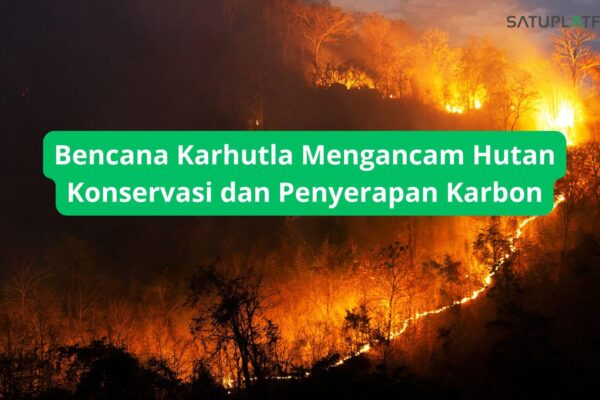
Bencana Karhutla Mengancam Hutan Konservasi dan Penyerapan Karbon
Karhutla (kebakaran hutan dan lahan) bukan hanya persoalan lingkungan yang menyebabkan kerusakan ekosistem dan hilangnya keanekaragaman hayati. Bencana ini juga…
Menghitung Jejak Karbon: Langkah Awal Perusahaan Mengurangi Emisi dan Menghadapi Perubahan Iklim
Perubahan iklim semakin mendorong perusahaan untuk memahami dan mengelola dampak lingkungan dari aktivitas bisnisnya. Salah satu langkah penting yang dapat…
Pemanasan Global dan Bencana di Indonesia: Mengapa Menghitung Jejak Karbon Itu Penting?
Indonesia merupakan negara yang memiliki kekayaan alam dan keanekaragaman hayati yang tinggi. Namun, di saat yang sama, Indonesia juga menghadapi…

Mengapa Kota-Kota di Indonesia Semakin Panas? Mengenal Fenomena Urban Heat Island dan Dampak Iklimnya
Jakarta, Surabaya, Bekasi, hingga Palembang belakangan kerap muncul dalam daftar wilayah dengan suhu harian tertinggi di Indonesia. Bagi warga yang…
Meningkatnya Frekuensi Cuaca Ekstrem di Indonesia: Bagaimana Data Menunjukkan Dampak Perubahan Iklim?
Banjir bandang, angin kencang, hingga siklon tropis yang belakangan lebih sering muncul di pemberitaan bukan sekadar kesan subjektif. Badan Meteorologi,…