
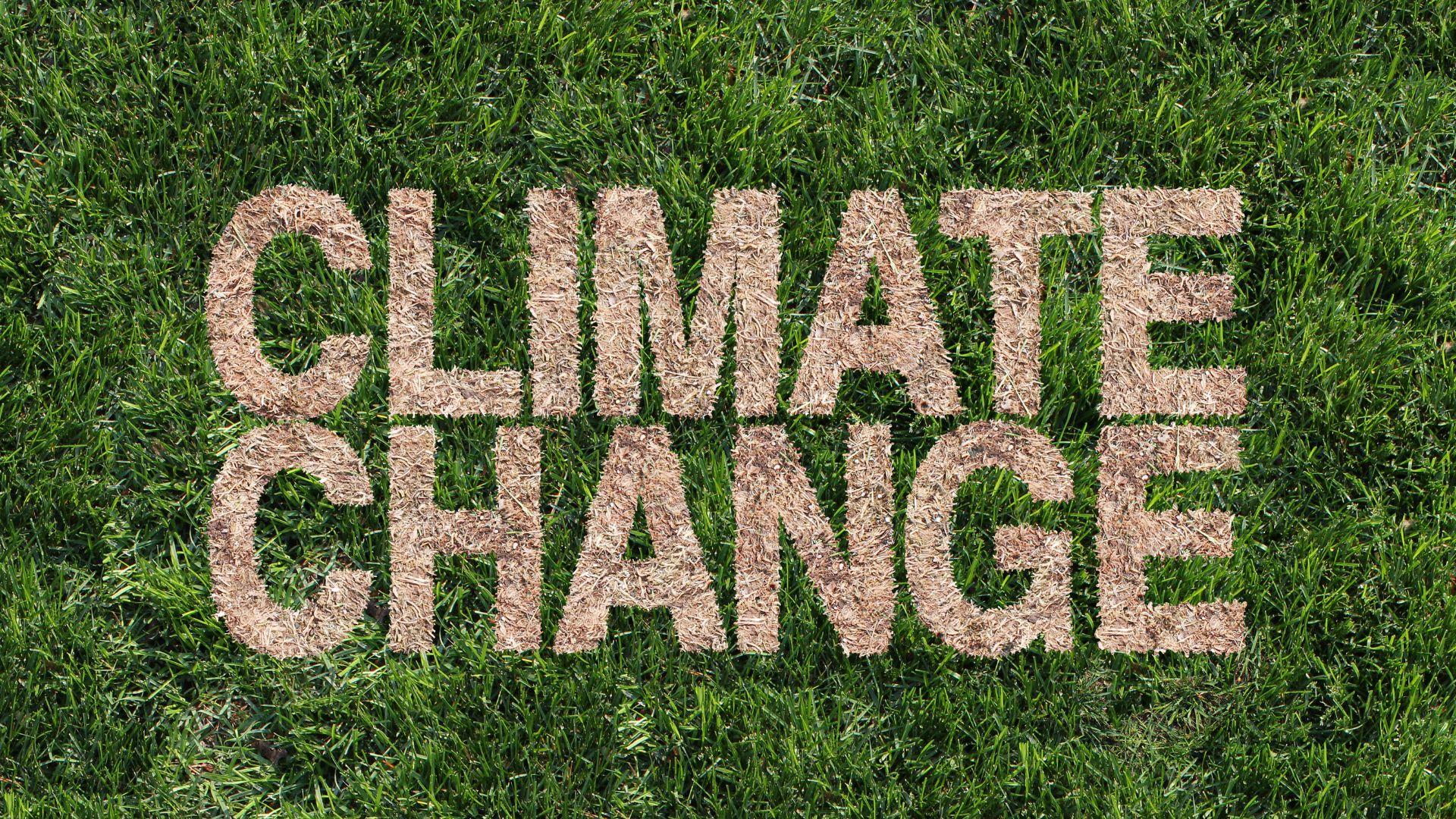
As the world grapples with the accelerating impacts of climate change, the role of the private sector in building climate resilience is becoming more vital than ever. Since Indonesia is a country blessed with rich natural resources but highly vulnerable to environmental risks, corporate partnerships are emerging as a strategic front line in the fight against climate change.
Read other article : Climate Change: An Unseen-Real Challenge
Today, businesses realize that climate inaction brings significant risks, including operational disruptions, increased costs from resource scarcity, and reputational damage. In Indonesia, these realizations are shaping how companies design their corporate strategies—by aligning profit with purpose, including the partnership.
Several Indonesian companies have taken pioneering steps to partner with national and international stakeholders in advancing climate solutions. Below are a few notable examples:
Unilever Indonesia: Partnering for a Circular Economy

Unilever Indonesia has long integrated sustainability into its core operations. Through partnerships with the Indonesian government, NGOs like Yayasan Greeneration Indonesia, and tech startups, the company has launched programs focused on waste reduction, plastic circularity, and carbon-neutral production.
In its campaign to develop a circular plastic economy, Unilever collaborates with waste banks, local communities, and recycling firms to recover and repurpose post-consumer plastics. The company also pledged to achieve net-zero emissions across its value chain by 2039, making it one of the most ambitious corporate climate agendas in Southeast Asia.
Pertamina: Greening the Energy Sector
As Indonesia’s largest energy company, Pertamina plays a pivotal role in the transition toward cleaner energy. In recent years, it has formed partnerships with global renewable energy providers, universities, and government agencies to develop biofuel, geothermal, and solar energy projects.
Pertamina’s collaboration with the Ministry of Energy and Mineral Resources supports the government’s target of achieving 23% renewable energy in the national energy mix by 2025. The company also signed joint ventures with international players to invest in green hydrogen and battery technologies.
Indofood: Sustainable Agriculture
As one of Southeast Asia’s largest food manufacturers, Indofood has faced growing pressure to address its environmental footprint, especially related to agriculture and palm oil sourcing. To address this, Indofood has partnered with IDH – The Sustainable Trade Initiative, certification bodies like RSPO (Roundtable on Sustainable Palm Oil), and local farming cooperatives to promote climate-smart agriculture practices.
These partnerships focus on reducing deforestation, improving soil health, and empowering smallholder farmers through sustainable training and resource access. Indofood’s program not only contributes to GHG reductions but also enhances rural community resilience—demonstrating how climate action and social inclusion go hand in hand.
Telkom Indonesia: Driving Digital Climate Solutions
Telkom Indonesia, the country’s largest telecommunications company, is leveraging its digital infrastructure to advance environmental initiatives. Through its innovation arm, Telkom has partnered with environmental tech startups and academic researchers to develop data-driven platforms for climate monitoring, energy efficiency, and smart city planning.
One flagship initiative is a partnership with the Ministry of Environment and Forestry to develop an IoT-based forest fire detection system, helping prevent large-scale carbon emissions caused by land and peat fires. Telkom also collaborates with local governments to integrate green ICT solutions in urban development, showcasing how digital transformation can enable climate resilience.
Ciputra Group: Building Climate-Resilient Cities
In the real estate sector, Ciputra Group is leading the way in sustainable urban development. In collaboration with the Green Building Council Indonesia, UN-Habitat, and regional governments, Ciputra has integrated green design principles into its township projects, such as CitraRaya Tangerang and CitraGarden City Jakarta.
These developments incorporate green infrastructure, water-sensitive urban design, and integrated public transport systems to lower emissions and enhance urban resilience. The group also supports community climate education programs and collaborates with local SMEs to develop eco-business zones, proving that sustainability can be embedded in both property development and community empowerment.
Absolutely! Here’s a section showcasing Wardah Cosmetics’ efforts and partnerships to address climate change:
Wardah Cosmetics: Green Innovation and Collaboration
As a leading halal beauty brand in Indonesia, Wardah Cosmetics has embraced the responsibility of aligning its growth with sustainability. Recognizing the environmental challenges posed by the cosmetics industry, Wardah is forming impactful partnerships to help mitigate climate change and promote climate resilience.
A cornerstone of Wardah’s sustainability journey is its collaboration with academic institutions and green chemistry researchers to develop eco-friendly product formulations. By partnering with universities such as Institut Teknologi Bandung (ITB) and research centers, Wardah is investing in innovations that minimize the use of environmentally harmful chemicals and reduce carbon footprints in raw material processing.
Wardah also works with environmental NGOs like Ecoxyztem and Waste4Change to improve packaging sustainability. Together, they have launched initiatives to transition to biodegradable packaging, support refill stations, and engage consumers in responsible waste disposal education. These efforts are part of Wardah’s broader commitment to a circular economy and reduced single-use plastic dependency in the beauty sector.
For companies looking to take the initiative and commit to sustainability in addressing climate change, Satuplatform is now available to support your environmental efforts. As an all-in-one solution, Satuplatform offers a wide range of services and consultations tailored for businesses across various industries.
Try the FREE DEMO today and take the first step toward a greener future!
Satuplatform Bawa Inovasi Carbon & ESG Management di Demo Day OJK Fintech Accelerator 2026
Jakarta, 27 Agustus 2026 — Perkembangan teknologi digital membuka peluang baru bagi perusahaan rintisan untuk menghadirkan solusi yang menjawab kebutuhan…
Bencana Karhutla Mengancam Hutan Konservasi dan Penyerapan Karbon
Karhutla (kebakaran hutan dan lahan) bukan hanya persoalan lingkungan yang menyebabkan kerusakan ekosistem dan hilangnya keanekaragaman hayati. Bencana ini juga…
Menghitung Jejak Karbon: Langkah Awal Perusahaan Mengurangi Emisi dan Menghadapi Perubahan Iklim
Perubahan iklim semakin mendorong perusahaan untuk memahami dan mengelola dampak lingkungan dari aktivitas bisnisnya. Salah satu langkah penting yang dapat…
Pemanasan Global dan Bencana di Indonesia: Mengapa Menghitung Jejak Karbon Itu Penting?
Indonesia merupakan negara yang memiliki kekayaan alam dan keanekaragaman hayati yang tinggi. Namun, di saat yang sama, Indonesia juga menghadapi…
Mengapa Kota-Kota di Indonesia Semakin Panas? Mengenal Fenomena Urban Heat Island dan Dampak Iklimnya
Jakarta, Surabaya, Bekasi, hingga Palembang belakangan kerap muncul dalam daftar wilayah dengan suhu harian tertinggi di Indonesia. Bagi warga yang…
Meningkatnya Frekuensi Cuaca Ekstrem di Indonesia: Bagaimana Data Menunjukkan Dampak Perubahan Iklim?
Banjir bandang, angin kencang, hingga siklon tropis yang belakangan lebih sering muncul di pemberitaan bukan sekadar kesan subjektif. Badan Meteorologi,…