

In today’s fast-paced digital era, automation is no longer just a trend, it’s becoming a necessity. From manufacturing to customer service, many business processes are now handled by machines, software, or artificial intelligence (AI). But how does this transformation affect our environment? Can automation help us build a more sustainable future? The answer lies in how we use it.
This article explores the connection between business automation and environmental sustainability, and how companies can harness this technology not just for efficiency, but also to reduce their ecological footprint.
1. Reducing Waste through Smart Systems
One of the biggest contributions of automation to sustainability is its ability to minimize waste. Automated systems are designed to operate with precision. Unlike manual operations that might lead to human error or inefficient resource use, automation allows businesses to streamline processes with little to no waste.
In Lean Six Sigma, there are eight types of operational waste, Defects, Overproduction, Waiting, Non-Utilized Talent, Transportation, Inventory, Motion, and Extra-Processing, collectively remembered as DOWNTIME. Digitalization can significantly reduce these wastes by introducing smart technologies and data-driven systems.
Read other article : Carbon Trading: Here’s What Businesses Need to Know!
For instance, in manufacturing, smart sensors can detect exactly how much raw material is needed for a production batch. This reduces overuse of resources like water, energy, and raw materials. Similarly, in logistics, route optimization software can minimize fuel consumption by finding the shortest and most efficient delivery paths.
The same principle applies to office environments. Automated lighting and HVAC systems adjust themselves based on occupancy and outdoor temperature, leading to lower energy consumption. These may seem like small improvements, but when implemented across an organization, the environmental benefits can be massive.
2. Supporting a Circular Economy
Automation is also playing a key role in promoting the circular economy, a system where products are reused, refurbished, or recycled to minimize waste. With automated tracking, inventory, and supply chain systems, businesses can gain better visibility of their product lifecycle.
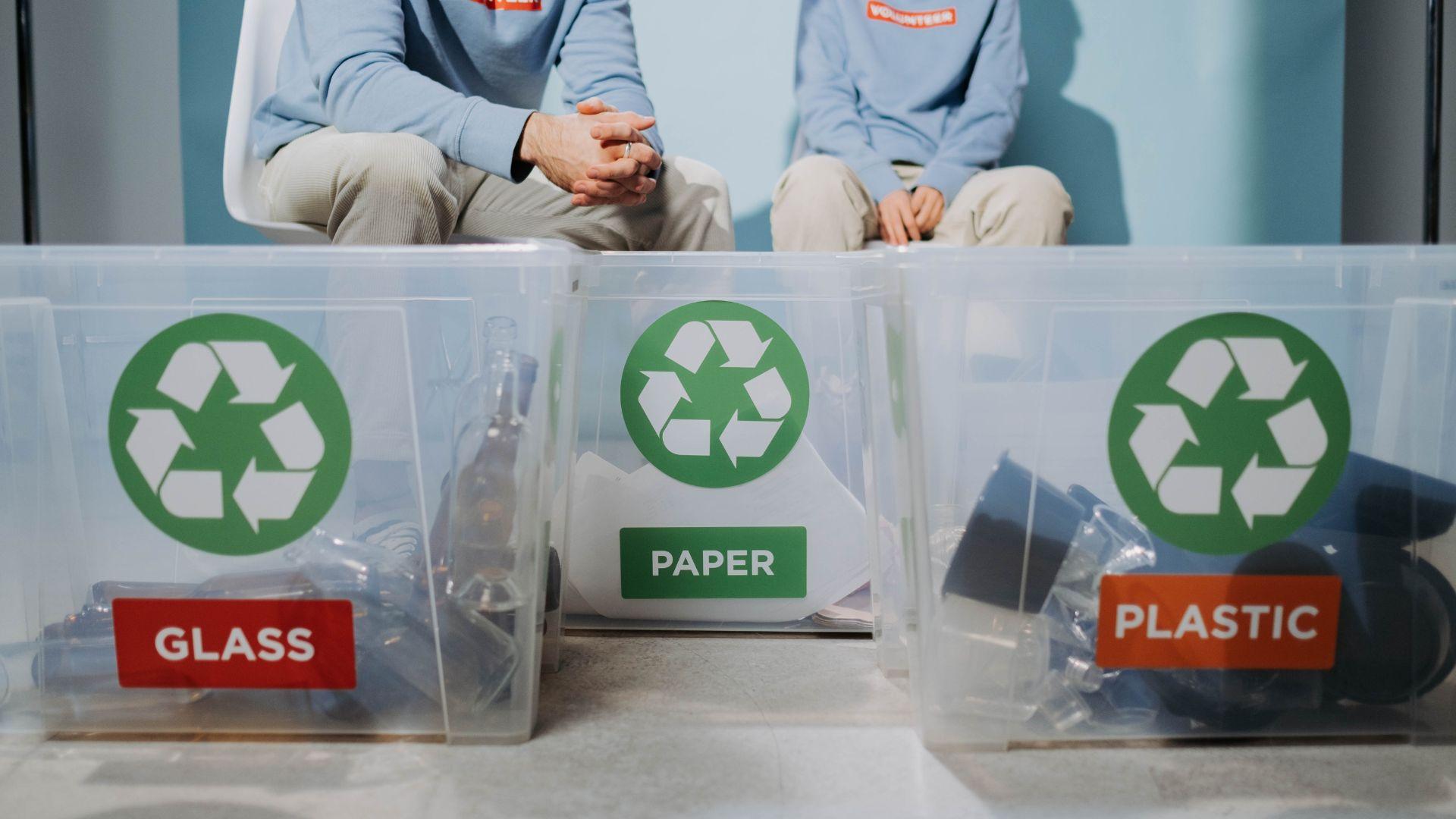
For example, retailers can use automated tracking to understand return patterns and repurpose returned goods. In recycling, automated machines can sort materials faster and more accurately than humans, reducing contamination and increasing recovery rates.
Additionally, predictive maintenance which is powered by automation and IoT (Internet of Things) can help businesses maintain equipment before it fails. This reduces the need for frequent replacements, ultimately decreasing e-waste and extending product lifespans.
By using automation to keep materials in circulation longer, businesses not only save money but also help reduce environmental impact.
3. Enabling Remote Work and Digital Operations
The rise of business automation has made remote work more viable than ever. With automated communication tools, virtual collaboration platforms, and AI-powered scheduling, teams can now operate efficiently from anywhere.
This shift has significant environmental benefits. By reducing the need for daily commuting and frequent business travel, companies cut down on greenhouse gas emissions. Fewer people on the road also means less traffic congestion, lower fuel consumption, and cleaner air in urban areas.
Moreover, digital operations minimize the need for paper, office space, and physical infrastructure. Automated document management systems replace bulky filing cabinets and reduce unnecessary printing. Virtual meetings save not only time but also the carbon footprint associated with transportation and building energy use.
Remote-friendly automation doesn’t just benefit the environment, but it also improves employee well-being and work-life balance, creating a more sustainable work culture.
4. Data-Driven Decisions for Environmental Impact
One of the often-overlooked benefits of automation is its ability to generate valuable data. Automated systems can collect, analyze, and report environmental data in real-time, allowing businesses to track their sustainability performance and make informed decisions.
For example, energy management systems can provide detailed insights into energy usage across different departments. Businesses can use this data to identify inefficiencies and implement targeted energy-saving strategies. Similarly, supply chain automation can highlight environmental hotspots in sourcing or distribution, helping companies switch to more sustainable partners or materials.
With clear data in hand, businesses are more likely to set realistic sustainability goals and measure their progress transparently. This transparency not only builds trust with consumers but also aligns companies with global standards like ESG (Environmental, Social, and Governance) reporting.
When businesses know exactly where they stand, they are better equipped to take meaningful action.
The Risks and Responsibilities of Automation
While automation offers many sustainability benefits, it’s important to acknowledge its risks and responsibilities. Implementing new technologies requires energy and resources. If not managed properly, automation can contribute to e-waste and increased power consumption. Especially in large data centers or factories using outdated systems.
Moreover, automation may lead to job displacement, especially in sectors where routine tasks are easily replaced by machines. A truly sustainable business model should not only protect the environment but also support social equity. That means businesses need to invest in reskilling workers, creating new green jobs, and ensuring that technology benefits everyone.
There’s also the ethical side of automation. Businesses must approach automation with balance and responsibility. Technology alone can’t solve climate change or sustainability challenges,it’s how we use that technology that makes the difference.
Whether you’re looking to audit your energy use, digitize your operations, or build a greener supply chain, guidance is available! Let’s make your automation journey support both your business goals and the environment. Book FREE DEMO from Satuplatform now
Satuplatform Bawa Inovasi Carbon & ESG Management di Demo Day OJK Fintech Accelerator 2026
Jakarta, 27 Agustus 2026 — Perkembangan teknologi digital membuka peluang baru bagi perusahaan rintisan untuk menghadirkan solusi yang menjawab kebutuhan…
Bencana Karhutla Mengancam Hutan Konservasi dan Penyerapan Karbon
Karhutla (kebakaran hutan dan lahan) bukan hanya persoalan lingkungan yang menyebabkan kerusakan ekosistem dan hilangnya keanekaragaman hayati. Bencana ini juga…
Menghitung Jejak Karbon: Langkah Awal Perusahaan Mengurangi Emisi dan Menghadapi Perubahan Iklim
Perubahan iklim semakin mendorong perusahaan untuk memahami dan mengelola dampak lingkungan dari aktivitas bisnisnya. Salah satu langkah penting yang dapat…

Pemanasan Global dan Bencana di Indonesia: Mengapa Menghitung Jejak Karbon Itu Penting?
Indonesia merupakan negara yang memiliki kekayaan alam dan keanekaragaman hayati yang tinggi. Namun, di saat yang sama, Indonesia juga menghadapi…
Mengapa Kota-Kota di Indonesia Semakin Panas? Mengenal Fenomena Urban Heat Island dan Dampak Iklimnya
Jakarta, Surabaya, Bekasi, hingga Palembang belakangan kerap muncul dalam daftar wilayah dengan suhu harian tertinggi di Indonesia. Bagi warga yang…
Meningkatnya Frekuensi Cuaca Ekstrem di Indonesia: Bagaimana Data Menunjukkan Dampak Perubahan Iklim?
Banjir bandang, angin kencang, hingga siklon tropis yang belakangan lebih sering muncul di pemberitaan bukan sekadar kesan subjektif. Badan Meteorologi,…