
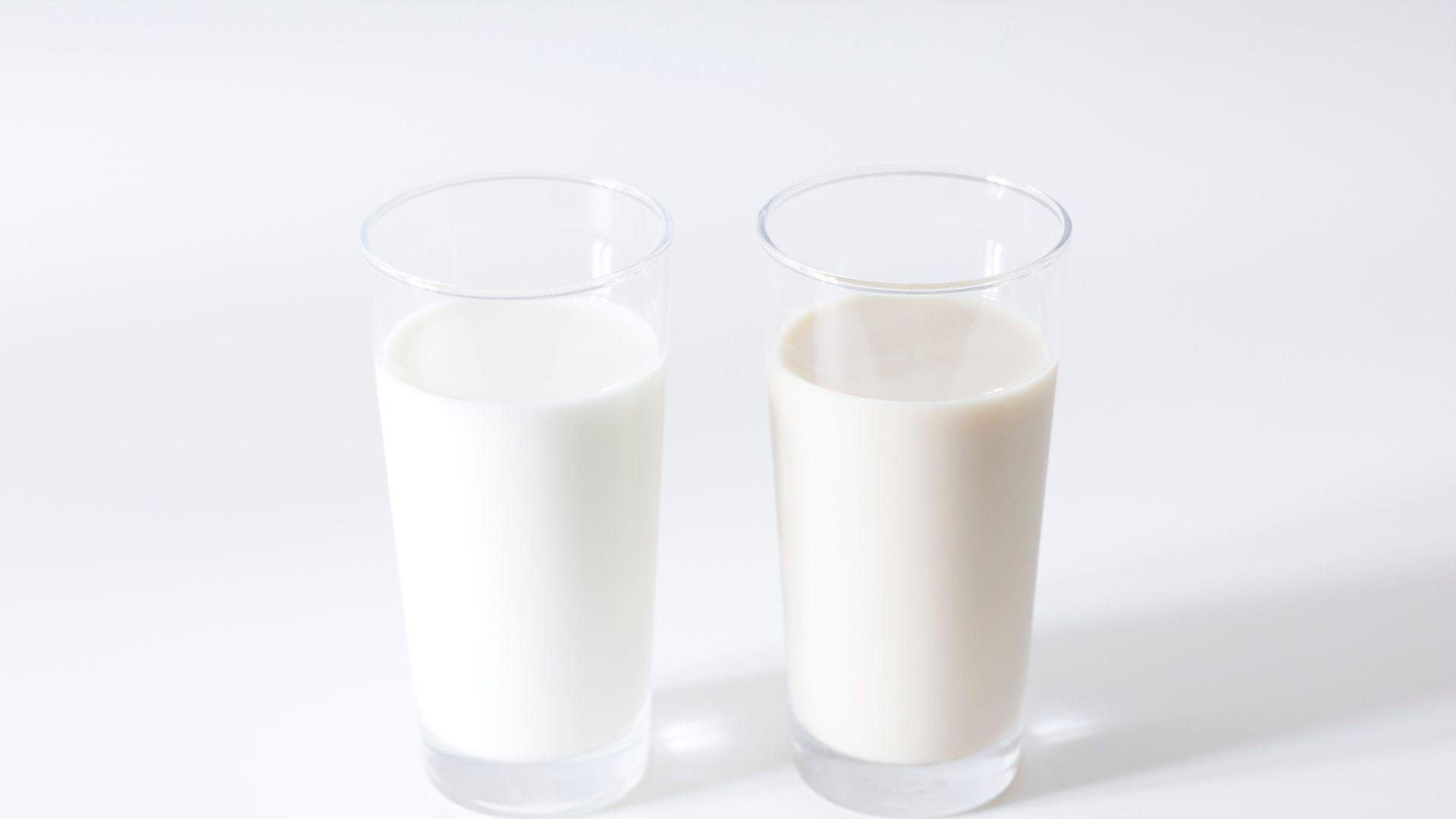
Ultra-High Temperature (UHT) milk has long been regarded as one of the most practical dairy products in the global market. With its extended shelf life, convenience in storage, and wide availability, UHT milk is a staple in many households across both developed and emerging markets. However, as sustainability becomes an ever-more pressing concern, the dairy industry finds itself at a crossroads. Producers of UHT milk are now challenged not only to deliver nutritional value and convenience but also to minimize their environmental footprint.
This article explores how UHT milk manufacturers are striving to balance nutrition, packaging innovation, and environmental responsibility in order to meet the growing demand for sustainable dairy products.
Nutrition at the Core of UHT Milk
At its essence, UHT milk is designed to preserve the nutritional benefits of traditional fresh milk while offering greater longevity. By heating milk at a temperature of around 135–150°C for a few seconds, harmful microorganisms are destroyed without significantly compromising nutritional quality. This process allows UHT milk to remain safe for consumption for several months without refrigeration, provided it is unopened.
From a consumer standpoint, the nutritional profile of UHT milk remains strong. It continues to provide protein, calcium, vitamin D, and other essential micronutrients crucial for bone health, growth, and overall wellness. For regions with limited access to refrigeration, UHT milk serves as an important dietary resource, ensuring stable nutritional intake.
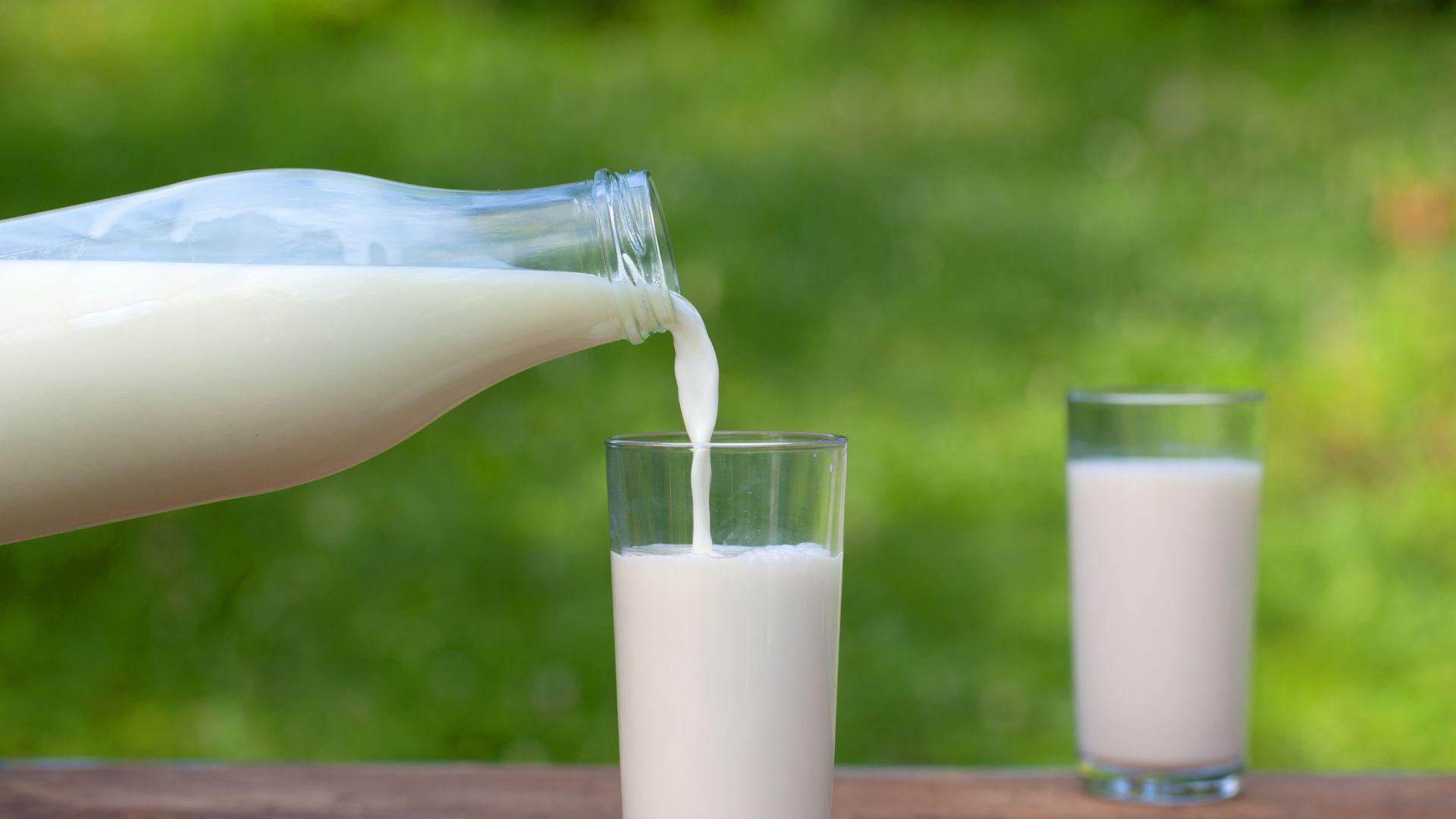
However, sustainability in nutrition also involves addressing the sourcing of milk itself. Questions around animal welfare, greenhouse gas emissions from dairy farming, and the use of feed and water resources are increasingly shaping consumer perceptions. Some UHT milk producers are responding by adopting more sustainable dairy farming practices, including improved feed efficiency, methane reduction initiatives, and organic certification. Others are diversifying with plant-based UHT alternatives such as soy, oat, and almond milk, further broadening the market for eco-conscious consumers.
The Packaging Dilemma
While UHT milk scores high on convenience and safety, its environmental impact is often tied to packaging. Traditionally, UHT milk is sold in aseptic cartons composed of multiple layers of paperboard, plastic, and aluminum. These layers ensure durability, prevent contamination, and maintain product quality. Yet, this multi-material design creates recycling challenges, as specialized facilities are often required to separate and process the components.
The packaging dilemma has become a focal point in the sustainability discussion. On one hand, UHT cartons reduce food waste by significantly extending shelf life, which is a major contributor to greenhouse gas emissions. On the other hand, the difficulty of recycling these cartons at scale presents a clear environmental drawback.
To address this, companies are experimenting with more eco-friendly packaging solutions. Some are introducing cartons with reduced plastic and aluminum content, while others are exploring fully recyclable or compostable alternatives.
Innovations such as bio-based plastics derived from sugarcane, or the integration of paperboard certified by the Forest Stewardship Council (FSC), are emerging as promising steps toward circular packaging. In addition, industry collaborations are seeking to expand carton recycling infrastructure, ensuring that more materials are effectively recovered and reused.
(also read: https://blog.satuplatform.com/eco-packaging-as-an-alternative-to-address-the-global-waste-problem/)
Environmental Impact of UHT Milk Production
The environmental footprint of UHT milk extends beyond packaging to the entire supply chain. Dairy farming is one of the largest contributors to agricultural greenhouse gas emissions, particularly methane from cattle. Furthermore, dairy production requires significant land and water resources, raising concerns about its long-term sustainability.
UHT milk’s extended shelf life, however, offers an environmental advantage by reducing spoilage and food waste. In regions where refrigeration and cold-chain logistics are energy-intensive or unreliable, UHT milk provides a more sustainable solution compared to fresh milk, which must be consumed quickly. The ability to transport UHT milk over long distances without refrigeration also contributes to efficiency in distribution, albeit with emissions considerations tied to transportation.
To mitigate these impacts, many dairy companies are investing in sustainability initiatives across their operations. These include improving energy efficiency in processing plants, shifting to renewable energy, reducing water usage, and adopting regenerative farming practices. Meanwhile, consumer demand for transparency is pushing companies to publish sustainability reports that detail carbon footprints, supply chain practices, and progress toward net-zero commitments.
Consumer Awareness and Shifting Preferences
Today’s consumers are more conscious than ever of the environmental and social impact of their purchases. In the context of UHT milk, buyers are not only looking at nutritional value but also at the sustainability credentials of the brand. Certifications such as organic, carbon-neutral, or fair trade are becoming key differentiators in the marketplace.
Moreover, plant-based UHT milk alternatives are gaining traction, particularly among younger demographics who prioritize sustainability, animal welfare, and health. These alternatives, often packaged in similar aseptic cartons, pose their own environmental questions but generally carry a lower carbon footprint compared to dairy-based milk. The coexistence of traditional and plant-based UHT milk highlights the dynamic nature of the market and the need for companies to adapt.
Communication also plays a vital role in shaping consumer trust. Transparency is no longer optional but an expectation in today’s ESG-driven market.
Toward a Sustainable Future for UHT Milk
The future of UHT milk lies in striking a balance between three interconnected priorities: nutrition, packaging, and environmental impact. On the nutritional front, UHT milk remains a valuable product for ensuring access to essential nutrients, particularly in regions where refrigeration infrastructure is limited. Yet, achieving sustainability requires more than delivering health benefits.
Packaging innovation is critical. The industry must accelerate its transition toward recyclable, renewable, and circular solutions that reduce waste without compromising safety. At the same time, systemic improvements in dairy production from reducing methane emissions to promoting animal welfare and water conservation are necessary to address the larger environmental challenges tied to milk.
Collaboration across stakeholders will be key. Governments, packaging companies, recyclers, dairy farmers, and consumers all have a role to play in shaping a more sustainable ecosystem for UHT milk. Investment in research, infrastructure, and education can create the conditions for meaningful change.
Ultimately, sustainable UHT milk represents more than just a product, it reflects a broader vision of responsible consumption and production. By aligning innovation with ESG principles, the dairy industry has the opportunity to turn UHT milk into a symbol of balance: nourishing people, minimizing environmental harm, and adapting to the expectations of conscious consumers.
If your business is inspired to integrate sustainability and ESG into its operations, just like the UHT milk industry is striving to do, explore smarter solutions with satuplatform. Build efficiency, transparency, and long-term impact while creating real value for people and the planet!
Satuplatform Bawa Inovasi Carbon & ESG Management di Demo Day OJK Fintech Accelerator 2026
Jakarta, 27 Agustus 2026 — Perkembangan teknologi digital membuka peluang baru bagi perusahaan rintisan untuk menghadirkan solusi yang menjawab kebutuhan…
Bencana Karhutla Mengancam Hutan Konservasi dan Penyerapan Karbon
Karhutla (kebakaran hutan dan lahan) bukan hanya persoalan lingkungan yang menyebabkan kerusakan ekosistem dan hilangnya keanekaragaman hayati. Bencana ini juga…
Menghitung Jejak Karbon: Langkah Awal Perusahaan Mengurangi Emisi dan Menghadapi Perubahan Iklim
Perubahan iklim semakin mendorong perusahaan untuk memahami dan mengelola dampak lingkungan dari aktivitas bisnisnya. Salah satu langkah penting yang dapat…
Pemanasan Global dan Bencana di Indonesia: Mengapa Menghitung Jejak Karbon Itu Penting?
Indonesia merupakan negara yang memiliki kekayaan alam dan keanekaragaman hayati yang tinggi. Namun, di saat yang sama, Indonesia juga menghadapi…
Mengapa Kota-Kota di Indonesia Semakin Panas? Mengenal Fenomena Urban Heat Island dan Dampak Iklimnya
Jakarta, Surabaya, Bekasi, hingga Palembang belakangan kerap muncul dalam daftar wilayah dengan suhu harian tertinggi di Indonesia. Bagi warga yang…
Meningkatnya Frekuensi Cuaca Ekstrem di Indonesia: Bagaimana Data Menunjukkan Dampak Perubahan Iklim?
Banjir bandang, angin kencang, hingga siklon tropis yang belakangan lebih sering muncul di pemberitaan bukan sekadar kesan subjektif. Badan Meteorologi,…