

The world is facing a mounting waste crisis, with plastic pollution at the center of global environmental concerns. From single-use bags to disposable food containers, conventional packaging has contributed significantly to overflowing landfills, marine pollution, and carbon emissions. Furthermore, millions of tons of plastic waste end up in oceans every year, which threatens ecosystems, wildlife, and human health.
In response to these challenges, businesses and policymakers are turning their attention to eco packaging: sustainable alternatives designed to reduce environmental impacts without compromising functionality.
Read other article : Reducing Carbon Emissions Through Eco Packaging Innovation
More than just a passing trend, the idea of eco packaging represents a fundamental shift in how industries think about design, materials, and consumer responsibility. Let’s explore how eco packaging becomes a critical solution to the global waste problem in this article!
Understanding Eco Packaging and Its Principles
Eco packaging refers to packaging solutions that are designed with environmental responsibility in mind. Unlike traditional packaging made from virgin plastics or non-biodegradable materials, eco packaging aims to minimize harm to the planet throughout its lifecycle, from production and usage to disposal or recycling.
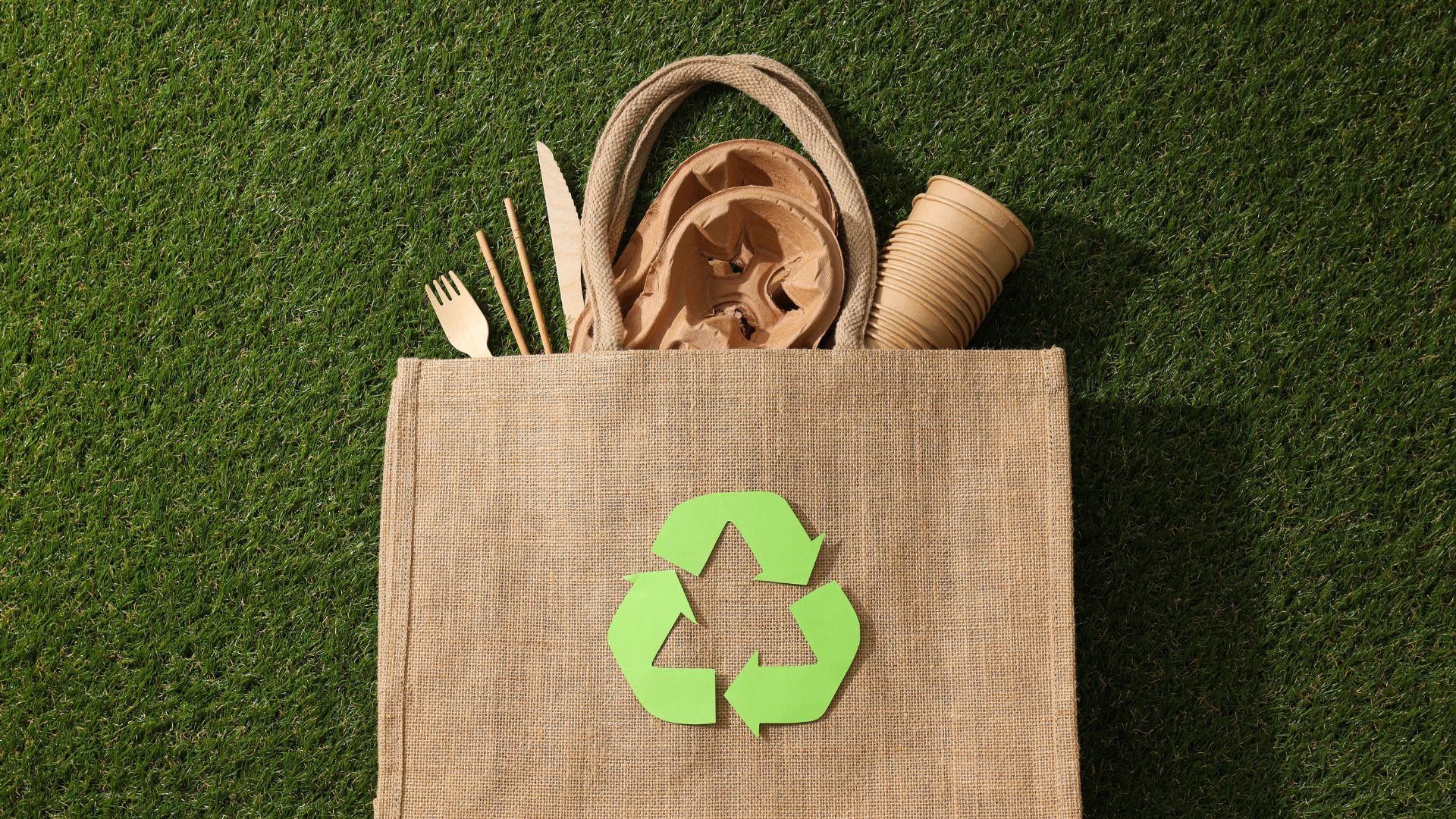
The principles of eco packaging can be summarized in several key aspects:
- Sustainable materials: Using biodegradable, recyclable, or compostable resources such as paper, cardboard, plant-based plastics (PLA), and even agricultural waste.
- Resource efficiency: Reducing material usage by optimizing packaging design, ensuring that less raw material is required without compromising durability.
- Circularity: Designing packaging that can be easily reused, recycled, or reintegrated into the production cycle to support a circular economy.
- Low carbon footprint: Incorporating energy-efficient production processes and renewable resources to reduce greenhouse gas emissions.
These principles not only address waste challenges but also align with the broader Environmental, Social, and Governance (ESG) goals increasingly prioritized by businesses and investors alike.
Business Benefits of Eco Packaging
For businesses, adopting eco packaging offers more than just an environmental advantage, but now it is also a strategic move in today’s competitive market.
In terms of branding, eco packaging helps strengthen brand reputation by demonstrating corporate responsibility and sustainability leadership. Modern consumers are becoming more conscious of their purchasing decisions, and companies that embrace eco-friendly practices often enjoy stronger customer loyalty and trust.
Eco packaging also can create long-term cost efficiencies. While initial investments in sustainable materials may seem higher, reduced resource consumption, minimized waste management costs, and potential government incentives can lead to significant financial benefits over time.
Besides, eco packaging improves market access and compliance. Many countries and regions are implementing stricter regulations on single-use plastics and packaging waste. By proactively adopting sustainable packaging solutions, companies can avoid penalties, adapt quickly to regulatory changes, and expand into eco-conscious markets with fewer barriers.
Finally, businesses that integrate eco packaging into their supply chains are better positioned to attract green investors. In an era where ESG frameworks are shaping investment strategies, eco-friendly packaging becomes an essential factor that signals resilience, innovation, and long-term sustainability.
(Baca juga: https://blog.satuplatform.com/reducing-carbon-emissions-through-eco-packaging-innovation/ )
Eco Packaging and Consumer Behavior
Eco packaging also plays a transformative role in shaping consumer behavior. Studies show that today’s consumers, particularly millennials and Gen Z, are increasingly prioritizing sustainability in their purchasing choices. Packaging is often the first physical interaction a customer has with a product, making it a powerful communication tool.
By adopting eco packaging, companies not only reduce their environmental footprint but also send a strong message about their values. Labels such as “biodegradable,” “compostable,” or “100% recycled” can influence buying decisions and drive consumers toward sustainable alternatives.
Furthermore, eco packaging encourages consumers to participate in the circular economy by promoting habits such as recycling, reusing, and composting. This shared responsibility between businesses and consumers creates a stronger impact in tackling the global waste crisis, ensuring that sustainability is not just a corporate initiative but a collective movement.
Challenges and Future Outlook of Eco Packaging
Despite its many advantages, eco packaging also faces several challenges that need to be addressed for broader adoption. The cost of eco-friendly materials remains a concern, especially for small and medium enterprises (SMEs) with limited resources. Technological limitations in certain materials, such as durability and scalability, can also hinder widespread use.
Another challenge lies in consumer education and waste management infrastructure. Even when eco packaging is available, improper disposal can reduce its effectiveness. For example, compostable materials require specific conditions to decompose properly, which may not be available in all regions. Without adequate infrastructure and awareness, the benefits of eco packaging may not be fully realized.
Looking ahead, the future of eco packaging appears promising as innovation continues to evolve. Advances in material science are introducing alternatives like edible packaging, mushroom-based materials, and nanotechnology-enhanced biodegradable plastics. Governments and international organizations are also pushing for stronger policies and incentives to accelerate adoption.
In the next decade, eco packaging is expected to transition from being a niche solution to a global standard.
As businesses continue to rethink their strategies in the era of sustainable growth, eco packaging stands out as both a responsibility and an opportunity. By adopting it today, we can collectively reduce the burden of waste and move closer to a world where economic development and environmental health go hand in hand.
Ready to make your business more sustainable? Discover tools and solutions that can help accelerate your eco-innovation journey with satuplatform now!
Satuplatform Bawa Inovasi Carbon & ESG Management di Demo Day OJK Fintech Accelerator 2026
Jakarta, 27 Agustus 2026 — Perkembangan teknologi digital membuka peluang baru bagi perusahaan rintisan untuk menghadirkan solusi yang menjawab kebutuhan…
Bencana Karhutla Mengancam Hutan Konservasi dan Penyerapan Karbon
Karhutla (kebakaran hutan dan lahan) bukan hanya persoalan lingkungan yang menyebabkan kerusakan ekosistem dan hilangnya keanekaragaman hayati. Bencana ini juga…
Menghitung Jejak Karbon: Langkah Awal Perusahaan Mengurangi Emisi dan Menghadapi Perubahan Iklim
Perubahan iklim semakin mendorong perusahaan untuk memahami dan mengelola dampak lingkungan dari aktivitas bisnisnya. Salah satu langkah penting yang dapat…

Pemanasan Global dan Bencana di Indonesia: Mengapa Menghitung Jejak Karbon Itu Penting?
Indonesia merupakan negara yang memiliki kekayaan alam dan keanekaragaman hayati yang tinggi. Namun, di saat yang sama, Indonesia juga menghadapi…
Mengapa Kota-Kota di Indonesia Semakin Panas? Mengenal Fenomena Urban Heat Island dan Dampak Iklimnya
Jakarta, Surabaya, Bekasi, hingga Palembang belakangan kerap muncul dalam daftar wilayah dengan suhu harian tertinggi di Indonesia. Bagi warga yang…
Meningkatnya Frekuensi Cuaca Ekstrem di Indonesia: Bagaimana Data Menunjukkan Dampak Perubahan Iklim?
Banjir bandang, angin kencang, hingga siklon tropis yang belakangan lebih sering muncul di pemberitaan bukan sekadar kesan subjektif. Badan Meteorologi,…