
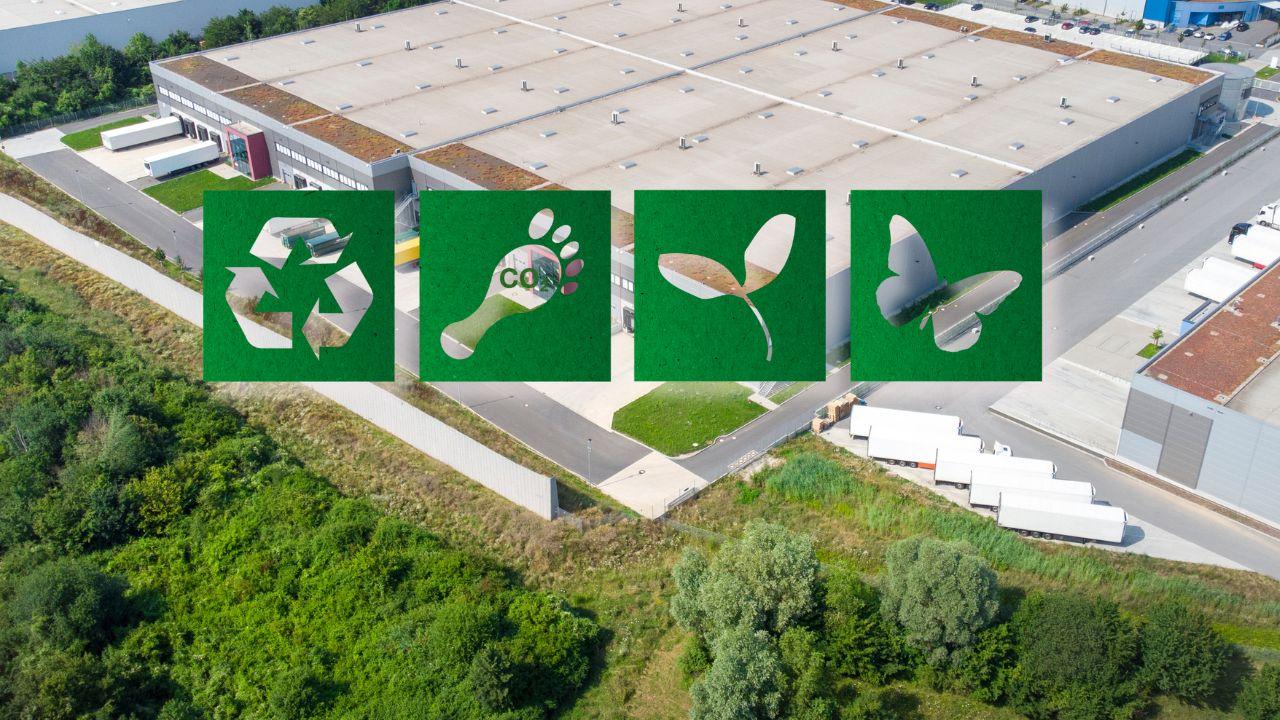
Businesses and consumers alike are navigating a flood of products claiming to be “eco-friendly” or “green.” These labels, often used interchangeably, are not always clear in what they truly represent. In most cases, it reflects that the brand practices a sustainability effort or is part of the green industry.
Understanding the distinction is crucial, especially for businesses aiming to align with genuine sustainability efforts and avoid unintentional greenwashing.
Read Other article : The Future of Eco-Conscious Consumerism and What It Means for Your Business
Defining “Eco-Friendly” and “Green”

The term “eco-friendly” typically describes products or practices that do not cause harm to the environment. This may include using recycled materials, minimizing waste, or reducing pollution during manufacturing.
On the other hand, “green” is a broader concept that relates to holistic environmental responsibility, which covers everything from ethical sourcing and energy use to waste management and carbon reduction strategies.
Thus, a product may be labeled as “eco-friendly” because of its material or packaging, while the company that makes it may not adopt broader green practices. This distinction matters because it separates isolated product features from comprehensive environmental strategies.
The Scope and Implications of Each Term
While “eco-friendly” often refers to individual products, their ingredients, or limited production impacts, “green” implies alignment with a larger movement toward sustainability.
Green practices can include circular economy strategies, renewable energy adoption, and long-term climate impact reduction as the principles of the green industry framework.
In contrast, eco-friendly labeling might simply point to a biodegradable component or non-toxic ingredient, without accounting for upstream or downstream environmental effects .
For example, a single-use compostable item may be labeled eco-friendly, but without proper end-of-life systems (e.g., composting infrastructure), its net benefit could be negligible.
Both businesses and consumers must understand the utilization of these terms to avoid confusion. For businesses, it’s part of a corporate responsibility effort as it impacts their brand reputation.
The Risk of Misleading Labels
The blurred lines between “green” and “eco-friendly” labels can open the door to greenwashing. Many companies use these terms for marketing purposes without fully meeting the environmental standards they imply. This creates confusion and may certainly mislead well-intentioned consumers or business clients into supporting unsustainable choices.
Cco-friendly claims should avoid vague or general language. Without specific metrics or verified sustainability performance, these claims become difficult to trust. Even common packaging terms like “recyclable” or “natural” can be ambiguous if not backed by transparent information.
The Importance of Third-Party Certifications for Green Industry
One of the most effective ways to verify whether a product or practice is truly eco-friendly or green is through third-party certification. These certifications evaluate whether environmental claims meet established standards.
For example, certifications related to biodegradability, carbon neutrality, or sustainable sourcing are granted by accredited organizations and provide greater transparency. In Indonesia, 17 industries are now required to get SIH (Sertifikasi Industri Hijau/Green Industry Certification). As for European countries, the EU Parliament had already put a proposal for a directive on green claims.
Businesses, especially those targeting environmentally conscious clients, should prioritize verified labels over self-declared eco claims. This not only enhances credibility but also contributes to more informed purchasing and policy decisions.
Consciousness about the Foundational Sustainability Implementation is Necessary
In conclusion, not all eco-friendly products are truly “green,” and not all green practices are easy to identify at the product level. Businesses and consumers can avoid misleading claims and contribute more meaningfully to sustainability goals by first building honest awareness of these concepts, which have long-term implications for the future of the green industry, both at the regulatory and consumer levels.
About Satuplatform
Satuplatform provides end-to-end solutions for corporate sustainability strategies, including aspects of climate technology. From planning and implementation to monitoring and reporting, Satuplatform empowers businesses to achieve their ESG goals efficiently and effectively. Interested in enhancing your sustainability strategy? Schedule a complimentary FREE DEMO with Satuplatform immediately.
Satuplatform Bawa Inovasi Carbon & ESG Management di Demo Day OJK Fintech Accelerator 2026
Jakarta, 27 Agustus 2026 — Perkembangan teknologi digital membuka peluang baru bagi perusahaan rintisan untuk menghadirkan solusi yang menjawab kebutuhan…
Bencana Karhutla Mengancam Hutan Konservasi dan Penyerapan Karbon
Karhutla (kebakaran hutan dan lahan) bukan hanya persoalan lingkungan yang menyebabkan kerusakan ekosistem dan hilangnya keanekaragaman hayati. Bencana ini juga…
Menghitung Jejak Karbon: Langkah Awal Perusahaan Mengurangi Emisi dan Menghadapi Perubahan Iklim
Perubahan iklim semakin mendorong perusahaan untuk memahami dan mengelola dampak lingkungan dari aktivitas bisnisnya. Salah satu langkah penting yang dapat…
Pemanasan Global dan Bencana di Indonesia: Mengapa Menghitung Jejak Karbon Itu Penting?
Indonesia merupakan negara yang memiliki kekayaan alam dan keanekaragaman hayati yang tinggi. Namun, di saat yang sama, Indonesia juga menghadapi…
Mengapa Kota-Kota di Indonesia Semakin Panas? Mengenal Fenomena Urban Heat Island dan Dampak Iklimnya
Jakarta, Surabaya, Bekasi, hingga Palembang belakangan kerap muncul dalam daftar wilayah dengan suhu harian tertinggi di Indonesia. Bagi warga yang…
Meningkatnya Frekuensi Cuaca Ekstrem di Indonesia: Bagaimana Data Menunjukkan Dampak Perubahan Iklim?
Banjir bandang, angin kencang, hingga siklon tropis yang belakangan lebih sering muncul di pemberitaan bukan sekadar kesan subjektif. Badan Meteorologi,…