
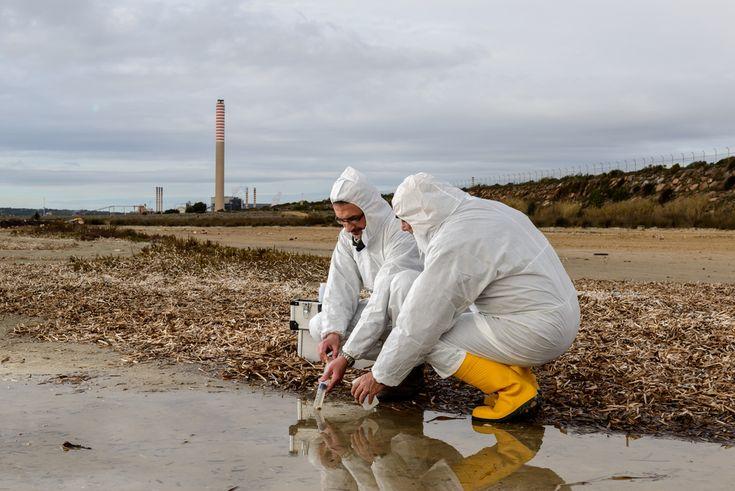
Environmental Impact Analysis (EIA) is a crucial process in assessing the potential environmental consequences of projects before they are executed. It serves as a strategic tool for policymakers, businesses, and stakeholders to ensure that economic development aligns with environmental sustainability.
According to the United Nations Environment Programme (UNEP), over 100 countries have implemented EIA regulations to mitigate environmental degradation. The growing global focus on sustainability has made EIA a critical component of responsible business operations and governmental planning.
The EIA in Sustainable Business
Read another articles : Technology in Sustainable Business
Sustainable development aims to balance economic growth, social well-being, and environmental protection. EIA plays a fundamental role in this process by identifying, predicting, and evaluating the potential environmental effects of proposed projects.
The World Bank reports that projects with comprehensive EIA assessments reduce negative environmental impacts by up to 40%. For example, renewable energy projects that undergo thorough EIAs can minimize ecosystem disruptions while maximizing efficiency. Businesses that integrate EIA into their planning processes also experience long-term benefits, including improved compliance, reduced operational risks, and enhanced stakeholder trust.
Key Components of EIA

A comprehensive EIA consists of multiple components, each designed to assess specific environmental aspects. The core components include:
- Screening & Scoping: Determines whether a project requires a full EIA and defines its scope.
- Baseline Study: Collects existing environmental data to serve as a reference point.
- Impact Prediction: Identifies potential environmental consequences and their severity.
- Mitigation Measures: Recommends strategies to minimize adverse effects.
- Public Consultation: Engages stakeholders to gather feedback and concerns.
And, finally Monitoring & Compliance. This aims to ensure that mitigation measures are effectively implemented.
Economic Benefits of EIA
Many businesses view EIA as an additional regulatory burden, but it offers significant economic advantages. Companies that implement EIA can reduce costs associated with environmental penalties, legal disputes, and remediation efforts.
A study by the Harvard Business Review found that firms with strong environmental governance outperform their competitors by 15% in market valuation. Moreover, industries such as mining, manufacturing, and infrastructure benefit from EIAs by ensuring compliance with environmental laws, avoiding project delays, and securing financing from sustainability-focused investors. Governments also provide incentives for businesses that adhere to EIA guidelines, further promoting economic and environmental synergy.
Success Stories of EIA
There are numerous success stories where EIA has played a pivotal role in safeguarding the environment while supporting economic growth. For instance, the Three Gorges Dam project in China underwent a rigorous EIA process, leading to critical modifications that reduced habitat destruction and resettlement issues.
Similarly, the United States’ National Environmental Policy Act (NEPA) has helped prevent irreversible environmental damage since its enactment in 1969. Quantitatively, a report by the International Finance Corporation (IFC) highlights that companies adopting EIA-based sustainability strategies witness a 25% increase in operational efficiency. And in fact, communities near industrial zones with strong EIA implementation report improved air and water quality, demonstrating the real-world benefits of thorough environmental assessments.
The Future of EIA and Its Global Importance
As environmental challenges intensify due to climate change, urbanization, and industrial expansion, the importance of EIA will continue to grow. Future advancements in technology, such as AI-driven predictive modeling and remote sensing, will enhance the accuracy and efficiency of impact assessments.
The integration of EIA with international sustainability frameworks, such as the United Nations’ Sustainable Development Goals (SDGs), will further reinforce its global significance. Governments, corporations, and communities must work collaboratively to strengthen EIA frameworks, ensuring that future development is both economically viable and environmentally responsible.
For industries, now we have Satuplatform as all-in-one solution who provides you with carbon consultancy and environment initiative solutions. Try our FREE DEMO now!
Satuplatform Bawa Inovasi Carbon & ESG Management di Demo Day OJK Fintech Accelerator 2026
Jakarta, 27 Agustus 2026 — Perkembangan teknologi digital membuka peluang baru bagi perusahaan rintisan untuk menghadirkan solusi yang menjawab kebutuhan…
Bencana Karhutla Mengancam Hutan Konservasi dan Penyerapan Karbon
Karhutla (kebakaran hutan dan lahan) bukan hanya persoalan lingkungan yang menyebabkan kerusakan ekosistem dan hilangnya keanekaragaman hayati. Bencana ini juga…
Menghitung Jejak Karbon: Langkah Awal Perusahaan Mengurangi Emisi dan Menghadapi Perubahan Iklim
Perubahan iklim semakin mendorong perusahaan untuk memahami dan mengelola dampak lingkungan dari aktivitas bisnisnya. Salah satu langkah penting yang dapat…

Pemanasan Global dan Bencana di Indonesia: Mengapa Menghitung Jejak Karbon Itu Penting?
Indonesia merupakan negara yang memiliki kekayaan alam dan keanekaragaman hayati yang tinggi. Namun, di saat yang sama, Indonesia juga menghadapi…
Mengapa Kota-Kota di Indonesia Semakin Panas? Mengenal Fenomena Urban Heat Island dan Dampak Iklimnya
Jakarta, Surabaya, Bekasi, hingga Palembang belakangan kerap muncul dalam daftar wilayah dengan suhu harian tertinggi di Indonesia. Bagi warga yang…
Meningkatnya Frekuensi Cuaca Ekstrem di Indonesia: Bagaimana Data Menunjukkan Dampak Perubahan Iklim?
Banjir bandang, angin kencang, hingga siklon tropis yang belakangan lebih sering muncul di pemberitaan bukan sekadar kesan subjektif. Badan Meteorologi,…