
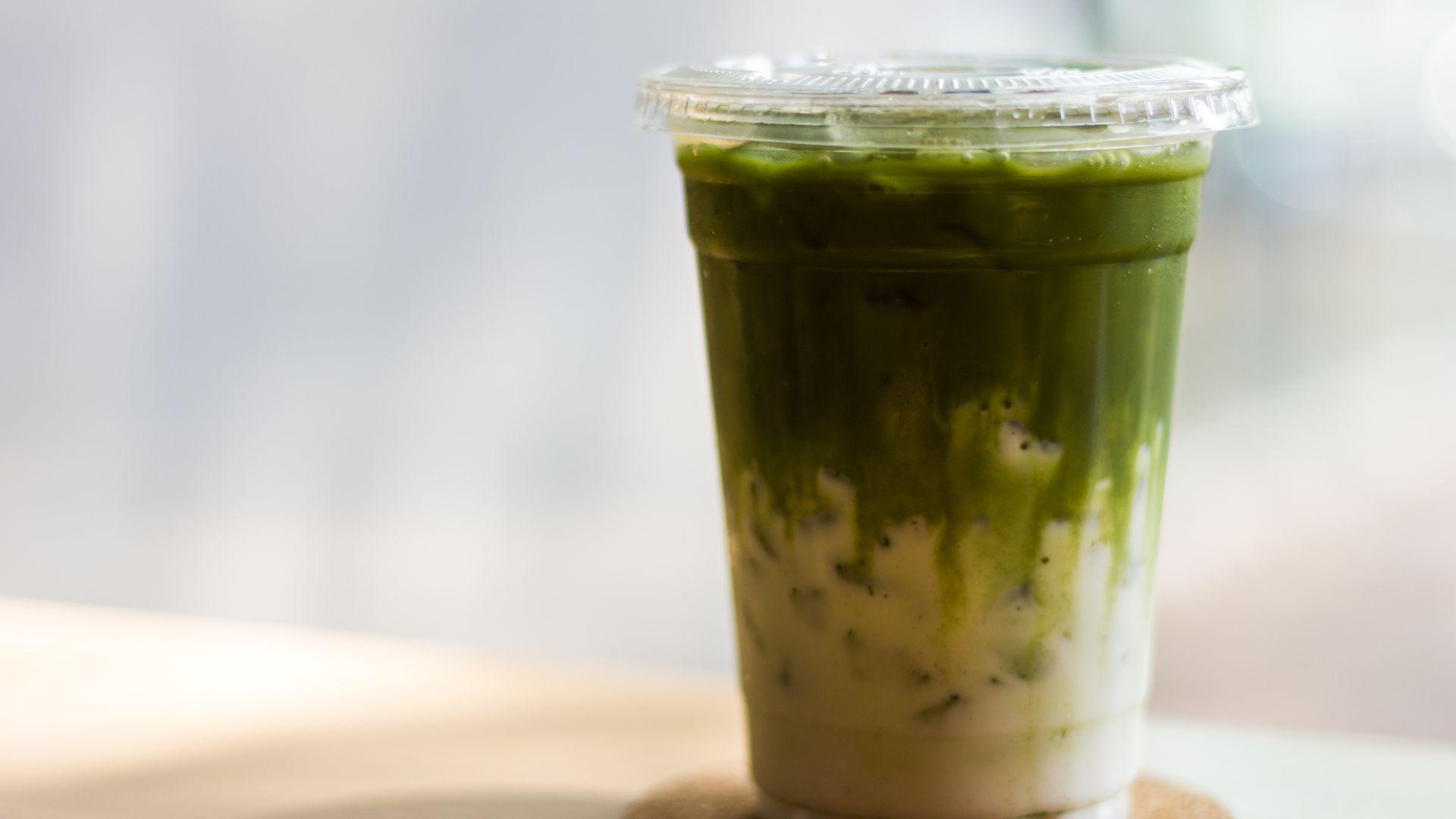
Environmental – Matcha has rapidly emerged as a global phenomenon, making its way from traditional tea ceremonies in Japan to premium cafés and wellness brands around the world. Its presence extends beyond beverages, appearing in a wide range of consumer products including desserts, skincare, and health supplements.
Read other article : Unveiling the Environmental Impact of Children’s Toys Industry
However, like many fast-growing global trends, the matcha industry carries environmental implications that are often overlooked. As demand continues to rise, it is crucial for businesses and consumers alike to examine the sustainability challenges associated with matcha production, and to consider actionable steps toward more responsible sourcing and consumption.
What Is Matcha and Why Is It So Popular?
Matcha is a finely ground powder made from specially grown green tea leaves. Unlike regular green tea, which you steep and then discard the leaves, with matcha people consume the entire leaf, which means more nutrients and a stronger flavor.
Health-wise, matcha is celebrated for being rich in antioxidants, especially a compound called EGCG, which may help with inflammation, metabolism, and heart health. It also contains caffeine, but because of the presence of L-theanine (an amino acid), the energy boost is calmer and more sustained compared to coffee.
For businesses, matcha has become a golden ingredient. Its striking color looks great on social media. Its association with wellness appeals to health-conscious consumers. As demand continues to grow, matcha is becoming a must-have menu item in cafés and restaurants around the world.
Read other article : The Environmental Impact of Silicones in Beauty Industry
The Environmental Footprint of Matcha Farming

Despite its traditional roots and artisanal image, the production of matcha comes with notable environmental challenges. The farming process demands substantial resources, including significant water usage, skilled labor, and, in many cases, synthetic fertilizers to meet increasing global demand. While tea plants can be cultivated sustainably, the push for mass production has led to practices that risk degrading soil health and over-relying on chemical inputs. Additionally, in key producing countries such as Japan and China, the expansion of tea plantations sometimes involves clearing natural landscapes, resulting in habitat loss and a decline in local biodiversity.
Beyond production, the environmental impact of matcha is further compounded by its global distribution. As most matcha is cultivated in Asia, transporting it to major consumer markets in Europe, North America, and beyond contributes to a growing carbon footprint through air and maritime shipping. These cumulative effects reveal a more complex reality, although matcha appears small and sustainable on the surface, its environmental footprint tells a much heavier story.
Business Growth Comes with a Responsibility
The global matcha market is experiencing rapid growth, with cafés, food and beverage companies, cosmetics brands, and even pharmaceutical firms tapping into its rising popularity. As demand increases across sectors, businesses must take a closer look at how their sourcing and production practices align with ethical and sustainable standards. Capitalizing on a trend is one thing; ensuring long-term responsibility and integrity is another.
To maintain credibility and meet the expectations of today’s conscientious consumers, companies must move beyond superficial marketing claims. Labels such as “natural” or “organic” are no longer sufficient. Businesses that aim to build a sustainable and reputable brand must invest in traceability, fair trade practices, and partnerships that prioritize both environmental stewardship and social responsibility throughout the supply chain.
Toward a Greener Cup: What Can Be Done?
Both businesses and consumers have meaningful roles to play in minimizing the environmental impact of matcha. For companies, this begins with responsible sourcing, partnering with certified organic or fair-trade farms that prioritize sustainable agricultural practices. Transparency is also essential; sharing the story behind the product, from cultivation to processing, helps build consumer trust. Reducing packaging waste through the use of minimal, recyclable materials is another practical step, especially for retail and e-commerce. Additionally, businesses can further mitigate their environmental footprint by investing in verified carbon offset programs to address emissions from production and global distribution.
On the consumer side, mindful purchasing habits can make a significant difference. Opting for high-quality matcha from ethical producers rather than low-cost, mass-produced alternatives supports more sustainable supply chains. Supporting local cafés that prioritize responsible sourcing is another way to encourage better practices. Consumers should also approach matcha-related trends with a critical eye, not every new product infused with matcha is necessary or beneficial. By questioning overconsumption and prioritizing quality over novelty, individuals can help reduce unnecessary demand and the waste that often accompanies it.
Rethinking Trendy Ingredients in a Climate-Conscious World
Matcha isn’t the only trendy ingredient with a hidden environmental cost. The same applies to items like avocados, quinoa, or almond milk. Just because something is “plant-based” or “superfood” doesn’t automatically make it sustainable.
Businesses and marketers often ride the wave of health and wellness trends without fully considering the consequences. That’s why it’s important to build environmental responsibility into business models, not as an afterthought, but as a foundation.
Matcha can be part of a sustainable lifestyle, but only if approached mindfully. Businesses have a responsibility to source and market it ethically, while consumers have the power to support those who do it right.
Looking for guidance on building an environmentally responsible business? Visit satuplatform, your partner in sustainability-driven growth.
Mengapa Kota-Kota di Indonesia Semakin Panas? Mengenal Fenomena Urban Heat Island dan Dampak Iklimnya
Jakarta, Surabaya, Bekasi, hingga Palembang belakangan kerap muncul dalam daftar wilayah dengan suhu harian tertinggi di Indonesia. Bagi warga yang…
Meningkatnya Frekuensi Cuaca Ekstrem di Indonesia: Bagaimana Data Menunjukkan Dampak Perubahan Iklim?
Banjir bandang, angin kencang, hingga siklon tropis yang belakangan lebih sering muncul di pemberitaan bukan sekadar kesan subjektif. Badan Meteorologi,…
Berapa Banyak Emisi Karbon yang Dilepas Saat Karhutla?
Setiap musim kemarau, asap kebakaran hutan dan lahan (karhutla) hampir selalu menjadi berita utama di Indonesia mulai dari kabut asap…
Erupsi Gunung Berapi vs Emisi Industri Mempengaruhi Laporan ESG dan Carbon Footprint?
Ketika Gunung Lewotobi atau Merapi meletus dan menutupi langit dengan abu vulkanik, reaksi publik biasanya tertuju pada evakuasi dan kualitas…

Tren Lari dan Perubahan Iklim: Ketika Cuaca Ekstrem Mengancam Hobi Baru
Trend lari berkembang menjadi bagian dari gaya hidup masyarakat perkotaan dalam beberapa tahun terakhir. Munculnya komunitas lari, berbagai ajang marathon,…

Mengenal 3 Desa di Indonesia yang Mulai Menerapkan Transisi Energi
Transisi energi sering dipahami sebagai proyek besar dengan investasi triliunan rupiah, seperti pembangunan pembangkit listrik energi terbarukan atau infrastruktur berskala…