
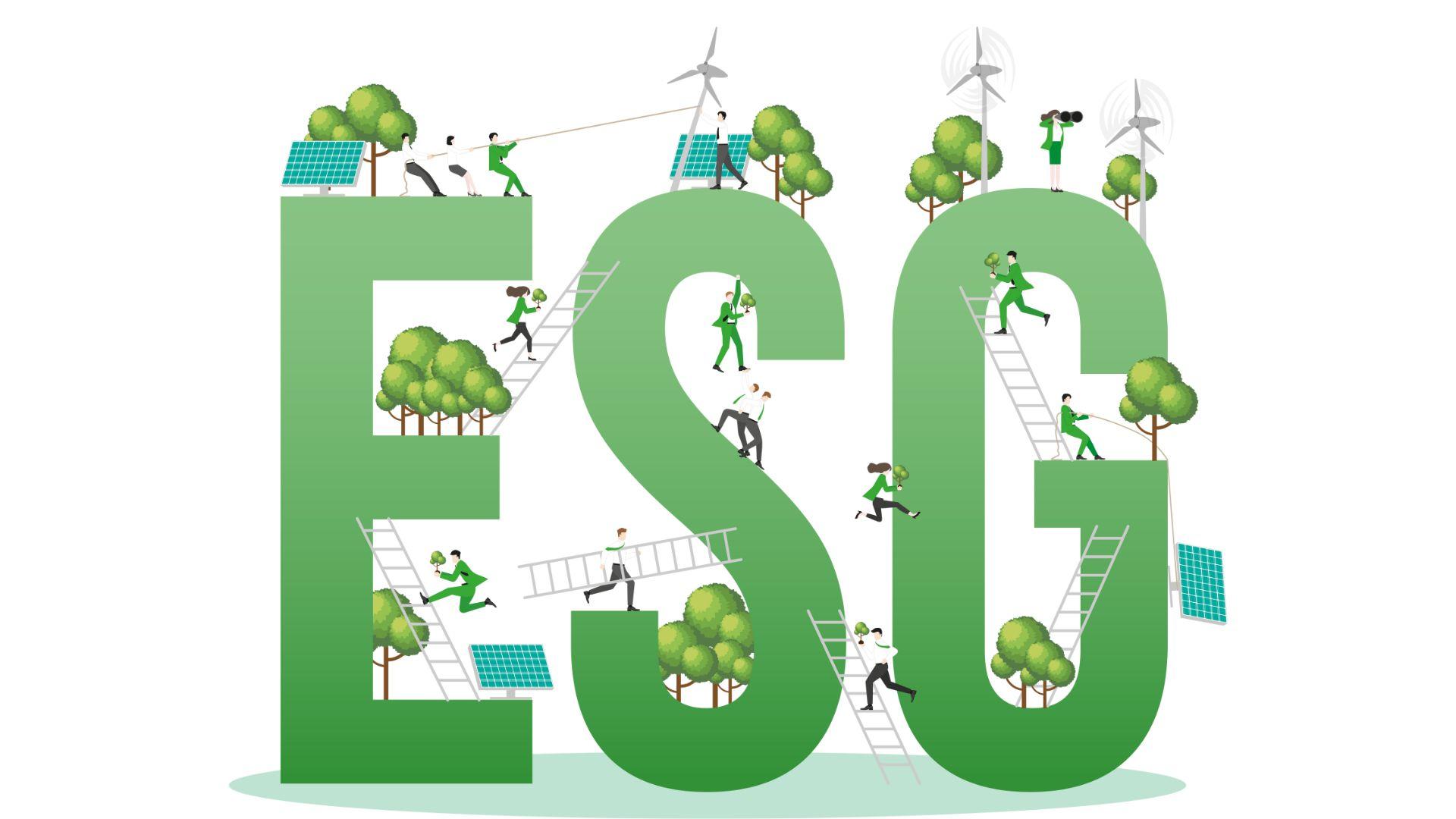
In the past, business success was measured mainly by profit margins and market share. Today, however, the definition of success has evolved. Investors, customers, and even employees are looking beyond financial performance to see how companies impact the environment, treat their people, and uphold good governance. This shift is driven by the growing importance of ESG, which stands for Environmental, Social, and Governance principles, and it serves as the foundation for responsible and sustainable business practices.
For modern businesses, ESG alignment is no longer optional. It is a framework that shapes corporate responsibility, long-term growth, and market resilience. Yet, some companies still underestimate its value, assuming they can operate without fully adopting ESG strategies.
The truth is, failing to align with ESG can lead to serious consequences, from financial losses to damaged reputations and weakened competitiveness. Through this article, let’s see furthermore what will happen to businesses who do not align with ESG!
Declining Trust and Loss of Brand Credibility

Trust is one of the most valuable assets in business. Without it, relationships with customers, investors, and partners deteriorate quickly. According to the PwC Global Investor ESG Survey, 94% of investors believe that current sustainability reports contain unsupported claims. This is a clear signal that stakeholders are more alert than ever and can spot vague or misleading ESG communication.
Read other article : Green Finance and ESG Performance
When a company avoids ESG alignment, it risks being perceived as outdated or unreliable. In today’s marketplace, consumers actively choose brands that align with their values, and trust plays a major role in purchase decisions. A loss of credibility can lead to reduced sales, negative press coverage, and stricter regulatory oversight. Restoring trust takes years and significant investment, making prevention far more cost-effective than damage control.
Loss of Investment Opportunities and Market Position
ESG alignment is now a key consideration for investors deciding where to place their money. The same PwC survey revealed that nearly 49 %of investors are ready to withdraw funds from companies that fail to address ESG risks. This means that even financially strong businesses could see capital outflows if they do not meet sustainability expectations.
Private equity firms are also changing their approach. More than 90% now include ESG risk assessments in their deal evaluations, and over half have abandoned deals due to poor ESG performance. By ignoring ESG, businesses limit their access to investment capital and risk being overtaken by competitors who actively embrace sustainability.
Companies with strong ESG performance often benefit from lower borrowing costs, better insurance terms, and stronger partnerships. These advantages create a competitive edge that ESG-lagging companies cannot easily replicate.
Rising Regulatory Pressure and ESG Reporting Challenges
Avoiding ESG does not remove the need to comply with environmental and social reporting requirements. In reality, it often makes compliance more complicated. Companies now face a patchwork of global ESG frameworks, including the Global Reporting Initiative (GRI) and the Sustainability Accounting Standards Board (SASB), alongside local regulations. Each comes with unique data collection requirements and deadlines.
The EcoActiveTech analysis highlights how inconsistent and poorly managed ESG data can cause reporting delays and errors. Without early adoption of ESG systems, companies scramble to meet disclosure requirements, which frustrates investors and invites closer scrutiny from regulators.
Another challenge is the inconsistency of ESG ratings from different agencies. PwC found that less than 40% of investors trust ESG scores. The best way to overcome this credibility gap is through transparent, consistent, and proactive reporting, which becomes much harder if ESG is only considered after the fact.
Reputational Risks from Greenwashing and Greenhushing
A weak ESG strategy often leads to two damaging practices: greenwashing and greenhushing. Greenwashing occurs when companies exaggerate or misrepresent their sustainability efforts. While it may create short-term positive publicity, it can cause long-term brand damage once the truth emerges.
Greenhushing, on the other hand, happens when companies hide their genuine ESG progress out of fear of criticism or backlash. A Reuters report shows that many businesses in the United States are holding back from publicizing sustainability achievements, but this silence can be just as harmful as making exaggerated claims. Both scenarios erode trust with stakeholders and reduce the reputational value of genuine ESG work.
The solution is honest, balanced communication. Businesses should share data-backed achievements and openly acknowledge areas where improvement is still needed. This approach builds trust and positions the company as authentic and transparent.
Strategic Weakness in a Changing Global Landscape
Aligning with ESG is not only about ethics but also about strategic survival. Climate change, resource shortages, social inequality, and rapid technological disruption are shaping the business landscape faster than ever. Companies without ESG integration risk being unprepared for these global challenges.
The PwC investor survey warns that adaptability is critical. In fact, 45% of CEOs believe their companies may not survive the next decade without major adaptation to climate and technological pressures. ESG frameworks help businesses anticipate risks, innovate effectively, and strengthen operational resilience. Without them, companies remain vulnerable, reactive, and at higher risk of being left behind.
Start the ESG Alignment, Now!
ESG is no longer a passing trend. It is a business necessity that affects trust, access to capital, compliance, reputation, and long-term viability. Ignoring ESG invites a series of avoidable risks from investor pullback to reputational damage and weakened market competitiveness.
Companies that embrace ESG not only meet rising stakeholder expectations but also gain a competitive advantage in attracting customers, retaining talent, and accessing investment. With the right strategy, ESG becomes a driver of growth rather than a compliance burden.
If you want your business to stay competitive, credible, and future-ready, now is the time to act. Satuplatform provides expert ESG consulting services to help businesses of all sizes integrate sustainability into their operations with confidence. From strategy creation to transparent reporting, we guide you every step of the way!
Ready to start your sustainability journey? Get a FREE DEMO of Satuplatform’s services and discover how our solutions can help you manage ESG, carbon, and sustainability reporting all in one platform.