
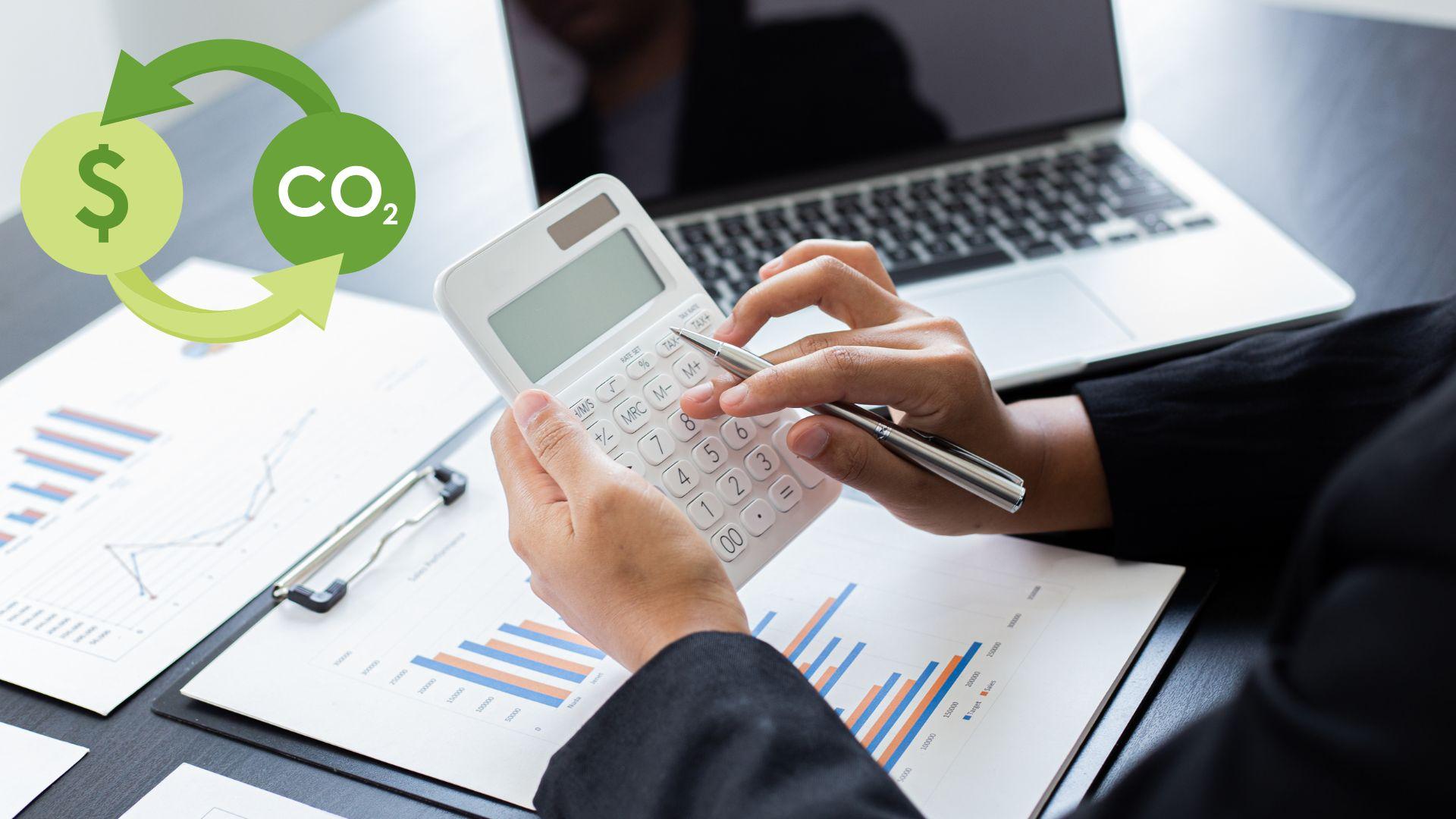
As environmental concerns intensify and global climate change accelerates, the role of digital technology in promoting sustainability has become more critical than ever. Governments, individuals and bussiness alike are seeking smart, data-driven tools that help manage and reduce their environmental footprint. From artificial intelligence to supply chain software, digital tools are increasingly being integrated into sustainability strategies.
Read other article : ESG as Sustainability Initiatives for Modern Industry
For businesses looking to integrate digital tools to support environmental sustainability, here are 5 powerful technologies that are reshaping how organizations make a positive impact on the planet.
Carbon Accounting Platforms
 One of the most essential tools for businesses aiming to reduce their environmental impact is a carbon accounting platform.
Carbon accounting software is valuable for companies seeking to comply with environmental regulations, report on ESG (Environmental, Social, and Governance) goals, or achieve net-zero targets. With built-in dashboards and scenario modeling, these platforms help leaders make informed decisions about emissions reduction strategies. Businesses can model different mitigation actions, measure their financial and environmental ROI, and align their reporting with international frameworks like the GHG Protocol or CDP.
Carbon accounting tools like Watershed, Persefoni, and Normative have transformed how companies track and reduce their greenhouse gas emissions. These platforms allow businesses to collect, organize, and analyze emissions data across their operations, enabling them to calculate Scope 1, 2, and 3 emissions with precision.
Supply Chain Traceability Systems
The next digital tools revolutionizing sustainability efforts are supply chain traceability systems. Digital platforms like Circular, Everledger, and IBM Blockchain provide supply chain traceability that ensures raw materials and products meet ethical and environmental standards throughout their lifecycle.
Traceability software uses technologies like blockchain, IoT (Internet of Things), and artificial intelligence (AI) to capture real-time data from across the supply chain. This includes information on sourcing practices, transportation emissions, energy usage, and even the labor conditions under which goods are produced. With such data, companies can identify inefficiencies, reduce waste, and verify that suppliers are meeting environmental commitments.
These supply chain tools are, now, increasingly vital in industries such as mining, manufacturing, fashion, and food, where sustainability claims can be difficult to verify.
Energy Management Systems (EMS)
Businesses aiming to reduce their energy consumption and emissions are increasingly turning to Energy Management Systems (EMS). Platforms such as Schneider Electric EcoStruxure, Siemens Desigo CC, and Enel X enable real-time monitoring and optimization of energy use across facilities, assets, and infrastructure.
These systems analyze data from energy meters, HVAC systems, lighting, and other equipment to identify inefficiencies and recommend cost-saving and emission-reducing actions. For example, EMS tools can automatically adjust building temperatures based on occupancy, schedule equipment downtime to avoid peak energy charges, or trigger alerts when energy consumption exceeds thresholds.
For larger corporations, integrating EMS with renewable energy sources, like solar panels or battery storage, can further reduce reliance on fossil fuels and enhance energy resilience. This proactive energy strategy not only cuts costs but also significantly reduces carbon emissions over time.
Geospatial and Remote Sensing Technologies
Another powerful set of tools that businesses can use to support environmental sustainability is geospatial and remote sensing technologies. Today, platforms like Google Earth Engine, Planet Labs, and Esri ArcGIS are transforming how we monitor and protect the environment. By combining satellite imagery, artificial intelligence, and geographic data analytics, these tools offer deep insights into land use, deforestation, water resources, biodiversity, and even climate change patterns.
For industries like agriculture, forestry, and urban development, geospatial analysis enables smarter, more sustainable land management. Take precision agriculture as an example, this technology allows farmers to monitor soil moisture, crop health, and irrigation needs in real time, leading to reduced water and chemical usage while improving crop yields.
These technologies are also essential for environmental NGOs and government agencies. Remote sensing helps track illegal logging, monitor protected areas, and evaluate the effects of natural disasters. Ultimately, these insights empower data-driven policies and promote corporate accountability, ensuring that environmental impacts are not only visible but also actionable and minimized.
Circular Economy and Waste Management Platforms
Waste reduction is a cornerstone of environmental sustainability and thanks to digital innovation, managing waste and resources is becoming smarter and more efficient. Platforms like Rubicon, TerraCycle Loop, and Recykal are leading the way in helping businesses and municipalities adopt circular economy principles by tracking, optimizing, and even monetizing their waste streams.
Using data analytics and IoT sensors, these platforms monitor everything from waste generation and recycling rates to landfill diversion. Some go a step further by connecting businesses with partners for material reuse or resale, transforming what was once discarded into valuable inputs. For instance, manufacturers can recover used packaging or upcycle industrial by-products into new goods, closing the loop on resource use.
Digitizing waste management not only helps reduce costs and improve regulatory compliance, but also minimizes landfill reliance and supports long-term sustainability. More importantly, it shifts organizations toward a circular, regenerative mindset, one where waste is no longer an end point, but a new beginning.
Embracing Digital Innovation with Satuplatform
Environmental sustainability is no longer a peripheral concern, but it’s a business imperative. Companies that leverage digital tools to address climate challenges are not only contributing to a healthier planet but also unlocking new efficiencies, gaining stakeholder trust, and future-proofing their operations.
While digital transformation alone won’t solve climate change, it serves as a powerful enabler of smarter, faster, and more measurable action. The five tools outlined, which are carbon accounting platforms, supply chain traceability systems, energy management systems, geospatial technologies, and circular economy platforms, are just the beginning. As innovation accelerates, so too will the opportunities to build sustainable, resilient, and responsible organizations.
Discover how digital innovation can support your environmental goals, boost operational efficiency, and keep you ahead of evolving regulations with Satuplatform. Together, Satuplatform will help businesses integrate powerful sustainability solutions from carbon tracking to waste optimization, all in one place. Get your FREE DEMO from Satuplatform today and start building a smarter, greener future for your business.
Satuplatform Bawa Inovasi Carbon & ESG Management di Demo Day OJK Fintech Accelerator 2026
Jakarta, 27 Agustus 2026 — Perkembangan teknologi digital membuka peluang baru bagi perusahaan rintisan untuk menghadirkan solusi yang menjawab kebutuhan…
Bencana Karhutla Mengancam Hutan Konservasi dan Penyerapan Karbon
Karhutla (kebakaran hutan dan lahan) bukan hanya persoalan lingkungan yang menyebabkan kerusakan ekosistem dan hilangnya keanekaragaman hayati. Bencana ini juga…
Menghitung Jejak Karbon: Langkah Awal Perusahaan Mengurangi Emisi dan Menghadapi Perubahan Iklim
Perubahan iklim semakin mendorong perusahaan untuk memahami dan mengelola dampak lingkungan dari aktivitas bisnisnya. Salah satu langkah penting yang dapat…
Pemanasan Global dan Bencana di Indonesia: Mengapa Menghitung Jejak Karbon Itu Penting?
Indonesia merupakan negara yang memiliki kekayaan alam dan keanekaragaman hayati yang tinggi. Namun, di saat yang sama, Indonesia juga menghadapi…
Mengapa Kota-Kota di Indonesia Semakin Panas? Mengenal Fenomena Urban Heat Island dan Dampak Iklimnya
Jakarta, Surabaya, Bekasi, hingga Palembang belakangan kerap muncul dalam daftar wilayah dengan suhu harian tertinggi di Indonesia. Bagi warga yang…
Meningkatnya Frekuensi Cuaca Ekstrem di Indonesia: Bagaimana Data Menunjukkan Dampak Perubahan Iklim?
Banjir bandang, angin kencang, hingga siklon tropis yang belakangan lebih sering muncul di pemberitaan bukan sekadar kesan subjektif. Badan Meteorologi,…