

The fast-food industry has become a defining feature of today’s modern society. Its global reach has transformed the way people eat, making quick, affordable meals accessible to millions around the world. However, this convenience comes at a significant cost to the environment. Food production is one of the main contributors to climate change. It is estimated that a third of all human-made greenhouse gas (GHG) emissions came from the food production activity.
In this article, we will explore how the fast-food industry’s practices affect the environment, from resource extraction and land use to waste generation and energy consumption. Understanding these impacts is crucial for developing more sustainable food systems that prioritize both human and environmental health.
Read other related articles : How Business Contribute to SDG 13: Climate Action
1. Agricultural Practices
One of the most significant environmental impacts of the fast-food industry can be seen on agricultural practices, particularly in the large-scale deforestation associated with agricultural expansion. As the demand for fast food grows, so does the need for vast quantities of agricultural products, especially livestock and feed crops like soy and corn. To meet this demand, large areas of forests are cleared to make way for cattle ranching and monoculture plantations, which is known as deforestation.
This deforestation not only results in the destruction of vital ecosystems but also leads to the displacement of wildlife and indigenous communities that rely on these forests for their livelihoods.
2. Greenhouse Gas Emissions
Another impact of fast food production to the environment is about creating Greenhouse Gas Emission. The fast-food industry is a significant contributor to greenhouse gas emissions, particularly methane and carbon dioxide. Livestock farming, especially cattle, produces methane—a potent greenhouse gas that has a far greater warming potential than carbon dioxide. The emissions from manure, feed production, and transport further exacerbate this issue.
In addition to livestock, the entire fast-food supply chain, including food production, packaging, refrigeration, and transportation, requires significant energy and depends heavily on fossil fuels. This dependence on non-renewable energy sources adds to the industry’s carbon footprint and accelerates climate change.
3. Water Consumption and Pollution
Another environmental impact of fast food production is tied to water resources. The production of fast food, particularly meat, consumes significant amounts of water. For instance, approximately 1,800 gallons of water are required to produce a single pound of beef. This heavy water usage places additional pressure on local water supplies, particularly in regions already experiencing water shortages.
Along with excessive water consumption, the fast food industry also plays a role in water pollution. Runoff from livestock farms and crop fields, often containing fertilizers, pesticides, and animal waste, can contaminate rivers, lakes, and oceans. This leads to issues such as algal blooms, dead zones in aquatic ecosystems, and harm to marine life.
4. Excessive Packaging and Waste

The convenience factor of fast food often comes with disposable containers, cups, straws, and cutlery that result in a huge amount of packaging waste.
Much of this waste ends up in the environment, taking hundreds of years to decompose. Plastic waste, in particular, poses a serious threat to marine life, as animals can mistake it for food, leading to injury or death. Furthermore, the production of plastic packaging itself is energy-intensive and relies on fossil fuels, which contribute to greenhouse gas emissions.
What Can Be Done?
Addressing the environmental impact of fast food requires concerted efforts from multiple stakeholders, including governments, corporations, and consumers. Governments can play a crucial role by implementing stricter regulations on deforestation, greenhouse gas emissions, and waste management in the fast-food industry. Government regulation also have to be supported by people’s obedience. Supporting local and organic food options, reducing meat consumption, and avoiding single-use packaging can collectively drive demand for environmentally responsible fast-food alternatives.
And most importantly, industries that produce fast food, must take responsibility for their environmental impact by adopting more sustainable practices. This could include sourcing ingredients from environmentally friendly farms, reducing water usage, minimizing packaging, and investing in renewable energy. In this case, companies can utilize the Satuplatform service as an all-in-one for industry’s sustainability. Find out the FREE DEMO here!
Mengapa Kota-Kota di Indonesia Semakin Panas? Mengenal Fenomena Urban Heat Island dan Dampak Iklimnya
Jakarta, Surabaya, Bekasi, hingga Palembang belakangan kerap muncul dalam daftar wilayah dengan suhu harian tertinggi di Indonesia. Bagi warga yang…
Meningkatnya Frekuensi Cuaca Ekstrem di Indonesia: Bagaimana Data Menunjukkan Dampak Perubahan Iklim?
Banjir bandang, angin kencang, hingga siklon tropis yang belakangan lebih sering muncul di pemberitaan bukan sekadar kesan subjektif. Badan Meteorologi,…
Berapa Banyak Emisi Karbon yang Dilepas Saat Karhutla?
Setiap musim kemarau, asap kebakaran hutan dan lahan (karhutla) hampir selalu menjadi berita utama di Indonesia mulai dari kabut asap…
Erupsi Gunung Berapi vs Emisi Industri Mempengaruhi Laporan ESG dan Carbon Footprint?
Ketika Gunung Lewotobi atau Merapi meletus dan menutupi langit dengan abu vulkanik, reaksi publik biasanya tertuju pada evakuasi dan kualitas…

Tren Lari dan Perubahan Iklim: Ketika Cuaca Ekstrem Mengancam Hobi Baru
Trend lari berkembang menjadi bagian dari gaya hidup masyarakat perkotaan dalam beberapa tahun terakhir. Munculnya komunitas lari, berbagai ajang marathon,…
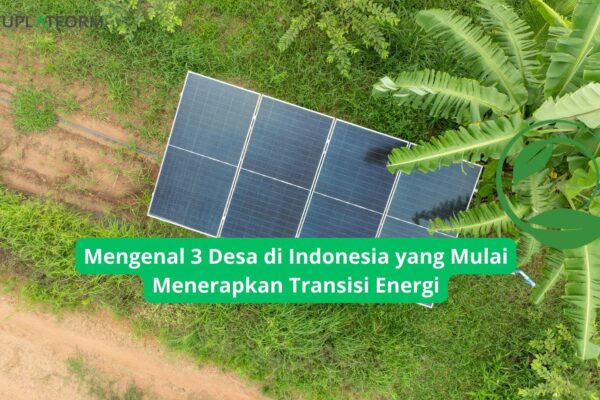
Mengenal 3 Desa di Indonesia yang Mulai Menerapkan Transisi Energi
Transisi energi sering dipahami sebagai proyek besar dengan investasi triliunan rupiah, seperti pembangunan pembangkit listrik energi terbarukan atau infrastruktur berskala…