
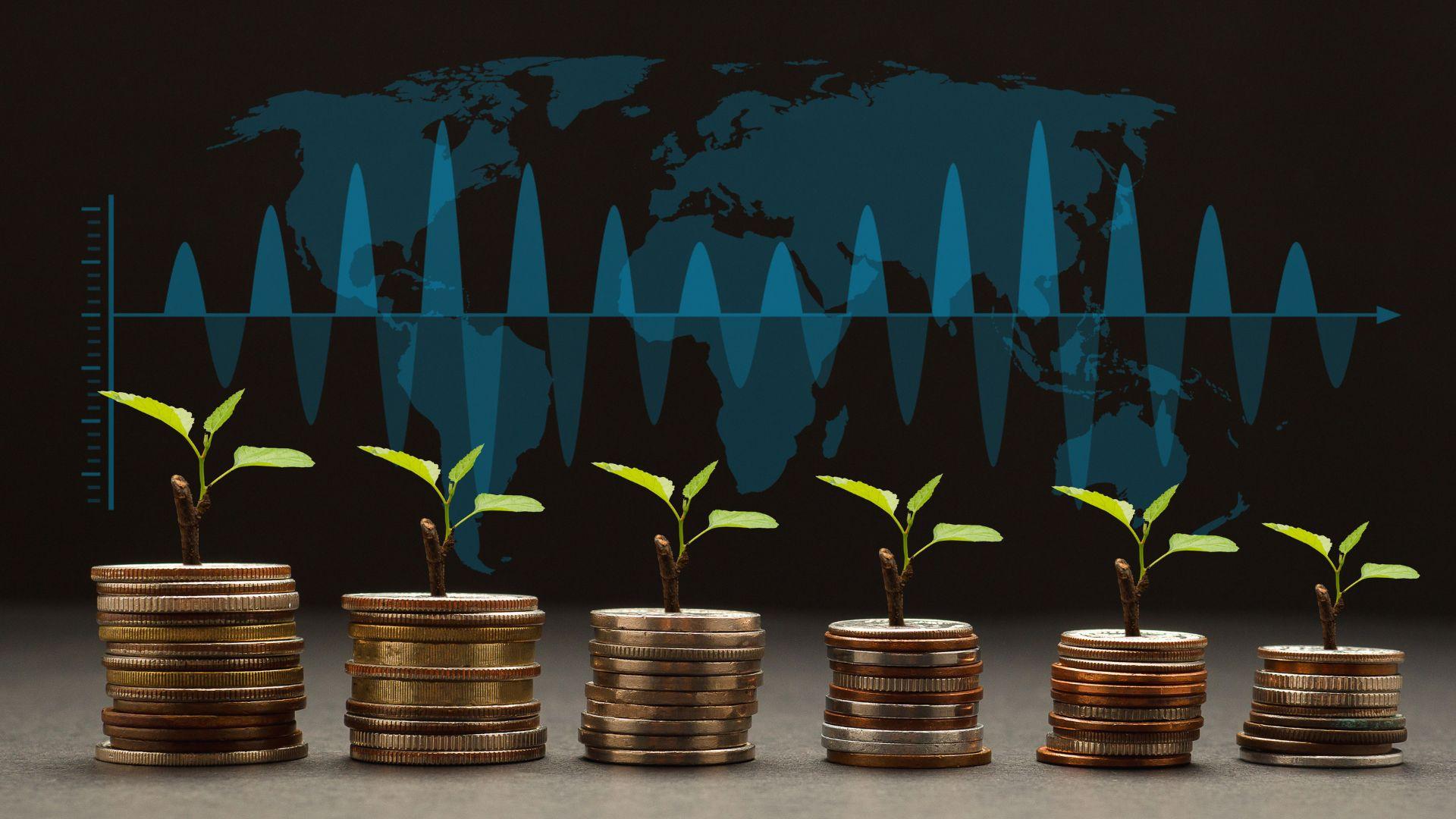
As the urgency to address climate change intensifies, governments, businesses, and communities around the globe are searching for effective levers to accelerate progress toward net-zero targets. Among the many strategies being deployed, one stands out as both transformative and scalable: green investing.
By directing capital flows toward projects, companies, and technologies that prioritize environmental sustainability, green investing not only mitigates risks associated with climate change but also creates new opportunities for innovation and long-term value creation. In this article, we will explore how green investing has evolved into a critical tool for advancing climate action goals, the challenges it faces, and the pathways that can maximize its impact.
The Rising Importance of Green Investing
Over the past decade, green investing has shifted from a niche concept to a mainstream financial strategy. Increasing awareness of climate-related risks, such as extreme weather, supply chain disruptions, and regulatory pressures. It has driven institutional investors, asset managers, and individuals to rethink traditional investment portfolios.
Read other article : Pedaling Toward Net Zero: How Bicycle Brands are Cutting Carbon in Production
Today, global sustainable investment assets have surpassed tens of trillions of dollars, reflecting a significant appetite for aligning financial returns with environmental and social responsibility.This surge is also reinforced by policy frameworks and global commitments, such as the Paris Agreement, which call for channeling financial resources into low-carbon solutions.
Green bonds, climate funds, and renewable energy investments are no longer fringe products but vital components of the modern financial ecosystem. They provide investors with a chance to play an active role in accelerating decarbonization, supporting biodiversity, and fostering resilient communities.
How Green Investing Accelerates Climate Goals

Green investing acts as a bridge between financial capital and environmental outcomes. By prioritizing investments in clean energy, sustainable agriculture, green infrastructure, and climate technology, investors can directly contribute to reducing emissions and fostering adaptation strategies.
For example, renewable energy projects financed through green bonds have expanded access to solar and wind power across emerging economies, reducing dependency on fossil fuels. Similarly, investments in energy efficiency technologies, such as smart grids or green buildings, help reduce carbon footprints while generating cost savings over the long term.
Moreover, green investing plays a catalytic role in scaling innovations that would otherwise struggle to gain traction. Climate-tech startups focused on carbon capture, alternative proteins, or sustainable materials often rely on green investment channels to transform groundbreaking ideas into viable solutions. As these technologies mature, they not only reduce emissions but also reshape entire industries toward sustainability.
Challenges and Risks in Green Investing
Despite its promise, green investing is not without challenges. One major concern is ‘greenwashing’, where companies or funds exaggerate their environmental credentials to attract investors without delivering real impact. This erodes trust and undermines the credibility of the green finance ecosystem. Transparency, standardized reporting, and third-party verification are essential to address this risk.
Another challenge lies in balancing profitability with impact. Some climate-positive projects, such as reforestation or biodiversity conservation, may deliver substantial environmental benefits but generate limited short-term financial returns. This mismatch often discourages large-scale private investment unless blended finance mechanisms, combining public and private capital, are introduced.
Additionally, the absence of universal standards for what qualifies as “green” creates inconsistencies across markets. While the European Union has developed a taxonomy for sustainable activities, many other regions still lack clear definitions, leading to confusion among investors and stakeholders.
The Future of Green Investing: Unlocking Its Potential
Looking ahead, the future of green investing depends on how well financial markets, regulators, and businesses can align climate goals with economic incentives. Key steps include:
- Strengthening Standards and Transparency: Global alignment on sustainability reporting frameworks, such as the International Sustainability Standards Board (ISSB), can enhance trust and ensure measurable impact.
- Scaling Innovative Financing Models: Mechanisms like blended finance, impact-linked bonds, and climate funds can mobilize greater capital flows into high-impact but traditionally underfunded projects.
- Expanding Access in Emerging Markets: Many developing economies face the dual challenge of economic growth and climate vulnerability. Directing green capital into these regions can yield outsized benefits by promoting sustainable development and resilience.
- Leveraging Technology and Data: Digital platforms, AI, and blockchain can help track environmental performance, improve transparency, and make green investing more accessible to retail investors.
- Mainstreaming ESG Integration: Environmental, Social, and Governance (ESG) principles need to become a standard part of corporate strategy and investment decision-making, ensuring climate alignment across all sectors.
By embracing these strategies, green investing can evolve from being an alternative financial approach to becoming the backbone of global climate action.
Era of Financing the Climate Transition
The fight against climate change requires unprecedented collaboration and resource mobilization. Green investing provides the mechanism to direct capital toward solutions that not only address climate risks but also generate long-term prosperity. Its ability to scale clean energy, fund innovation, and reshape industries makes it a powerful tool to accelerate climate action goals.
However, realizing its full potential will require stronger governance, enhanced transparency, and a willingness to balance financial returns with societal benefits. By overcoming these challenges, green investing can shift from a trend to a transformative force, one that helps the world move closer to a sustainable, resilient, and low-carbon future.
For businesses, governments, and individuals alike, the message is clear: investing green is not just about profit, but it is about safeguarding the planet for generations to come. To begin exploring practical steps and strategies for your organization, you can leverage Satuplatform as a dedicated solution that helps businesses align investment strategies with sustainability goals, track ESG performance, and contribute meaningfully to climate action. Start your step now!
Satuplatform Bawa Inovasi Carbon & ESG Management di Demo Day OJK Fintech Accelerator 2026
Jakarta, 27 Agustus 2026 — Perkembangan teknologi digital membuka peluang baru bagi perusahaan rintisan untuk menghadirkan solusi yang menjawab kebutuhan…
Bencana Karhutla Mengancam Hutan Konservasi dan Penyerapan Karbon
Karhutla (kebakaran hutan dan lahan) bukan hanya persoalan lingkungan yang menyebabkan kerusakan ekosistem dan hilangnya keanekaragaman hayati. Bencana ini juga…
Menghitung Jejak Karbon: Langkah Awal Perusahaan Mengurangi Emisi dan Menghadapi Perubahan Iklim
Perubahan iklim semakin mendorong perusahaan untuk memahami dan mengelola dampak lingkungan dari aktivitas bisnisnya. Salah satu langkah penting yang dapat…

Pemanasan Global dan Bencana di Indonesia: Mengapa Menghitung Jejak Karbon Itu Penting?
Indonesia merupakan negara yang memiliki kekayaan alam dan keanekaragaman hayati yang tinggi. Namun, di saat yang sama, Indonesia juga menghadapi…
Mengapa Kota-Kota di Indonesia Semakin Panas? Mengenal Fenomena Urban Heat Island dan Dampak Iklimnya
Jakarta, Surabaya, Bekasi, hingga Palembang belakangan kerap muncul dalam daftar wilayah dengan suhu harian tertinggi di Indonesia. Bagi warga yang…
Meningkatnya Frekuensi Cuaca Ekstrem di Indonesia: Bagaimana Data Menunjukkan Dampak Perubahan Iklim?
Banjir bandang, angin kencang, hingga siklon tropis yang belakangan lebih sering muncul di pemberitaan bukan sekadar kesan subjektif. Badan Meteorologi,…